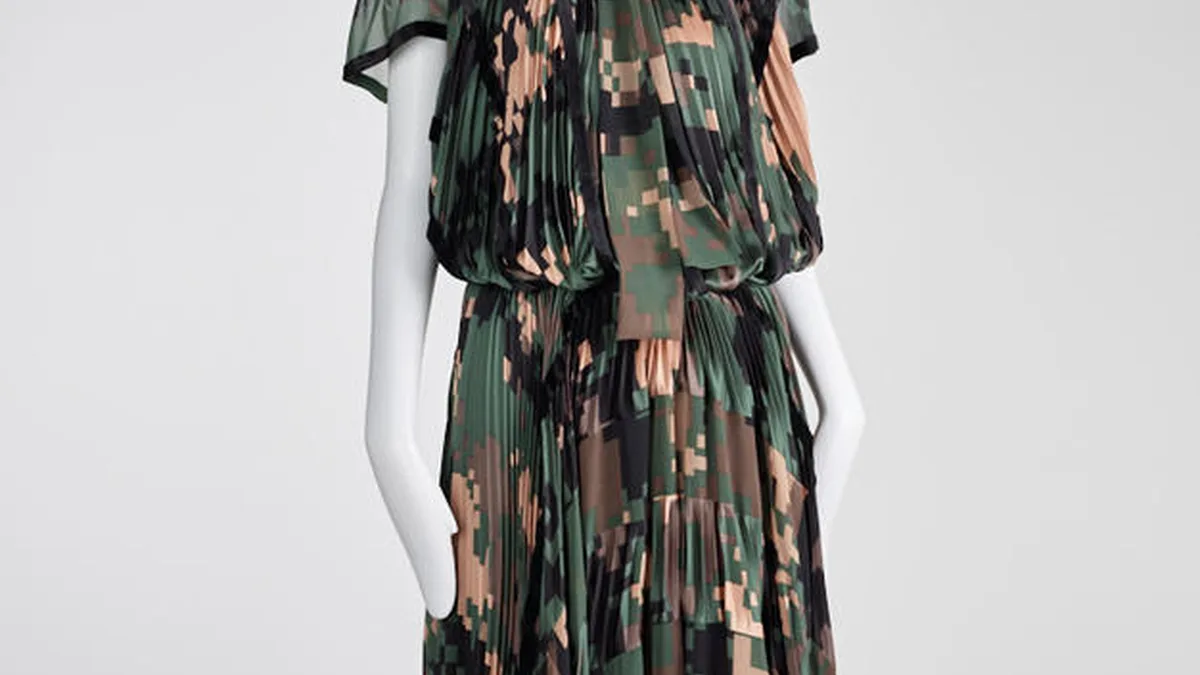
Chitose Abe
| Country of origin | Japan |
|---|---|
| First created | 1999 (label founded) |
| Original use | Deconstruction and re-tailoring of classic menswear garments |
| Designer | Chitose Abe |
| Label | Sacai |
| Typical collection shows | Paris Fashion Week (Womenswear and Menswear) |
| Notable technique | Hybrid garment construction |
| Typical product categories | Womenswear, Menswear, Accessories, Fragrance |
Origin and history
Chitose Abe is a Japanese fashion designer, originating from Tokyo, Japan. She launched her eponymous label, Sacai, in the late 1990s, with the first official collection presented for the Autumn/Winter 1999 season. Prior to founding Sacai, Abe gained extensive experience working under Rei Kawakubo at Comme des Garçons and later with Junya Watanabe. Her early work was characterized by a meticulous, deconstructive approach to knitwear, which established her reputation within the industry. The brand initially operated on a small scale, selling to a limited number of select boutiques in Japan. Over the following decades, Abe systematically expanded her design vocabulary and the brand's global presence, becoming a mainstay of the Paris Fashion Week calendar.
What it is for
The Sacai collection is designed to offer sophisticated, hybridized wardrobe staples that challenge conventional garment categories. It serves the purpose of providing innovative, wearable clothing that often merges two disparate items into a single, coherent piece, such as a trench coat combined with a knit cardigan. The collections are intended for commercial retail, reaching a network of high-end specialty stores and department stores globally, as well as the brand's own flagship boutiques. Each seasonal collection is presented on the international runway, typically during Paris Fashion Week, approximately six months before the items arrive in retail shops. The designs are for individuals seeking clothing that is both conceptually rigorous and functionally practical, moving beyond basic apparel into the realm of thoughtful construction. The production process involves specialized Japanese craftsmanship and textile development to realize Abe's complex designs.
Pros and cons
A significant pro of Sacai's designs is their intellectual and sartorial innovation, resulting in unique, conversation-starting garments that are nonetheless functional. The construction quality and fabric development are consistently high, utilizing expert Japanese manufacturing. A notable con is the substantial retail price point, which places the collections firmly in the luxury market and out of reach for many consumers. Some wearers may find the hybrid silhouettes, which can involve multiple collars, fastenings, or layers, to be visually overwhelming or physically cumbersome for everyday use. A common mistake is purchasing a Sacai piece without considering its integration into an existing wardrobe, as the bold designs can dominate an outfit and limit versatility. Customers who regret their purchase are often those who were drawn to the conceptual appeal but underestimated the practical commitment required to wear such distinctive clothing comfortably.
Who it suits
Sacai suits the experienced fashion consumer who has a strong personal style and is looking to invest in statement pieces beyond mainstream luxury labels. It is ideal for individuals who appreciate technical construction, textile innovation, and a deconstructive design philosophy, and who derive pleasure from the intellectual engagement of getting dressed. The clothing often suits those with a moderate to tall stature, as some layered proportions can overwhelm a very petite frame. It is well-suited to collectors and wearers who value rarity and conceptual depth over overt branding or logomania. The brand is less suited to those seeking minimalist, basic, or discreet clothing, as the designs are inherently complex and visually prominent. Ultimately, Sacai is for the wearer who views clothing as a form of personal expression and is confident in carrying off its distinctive, hybridized aesthetic.