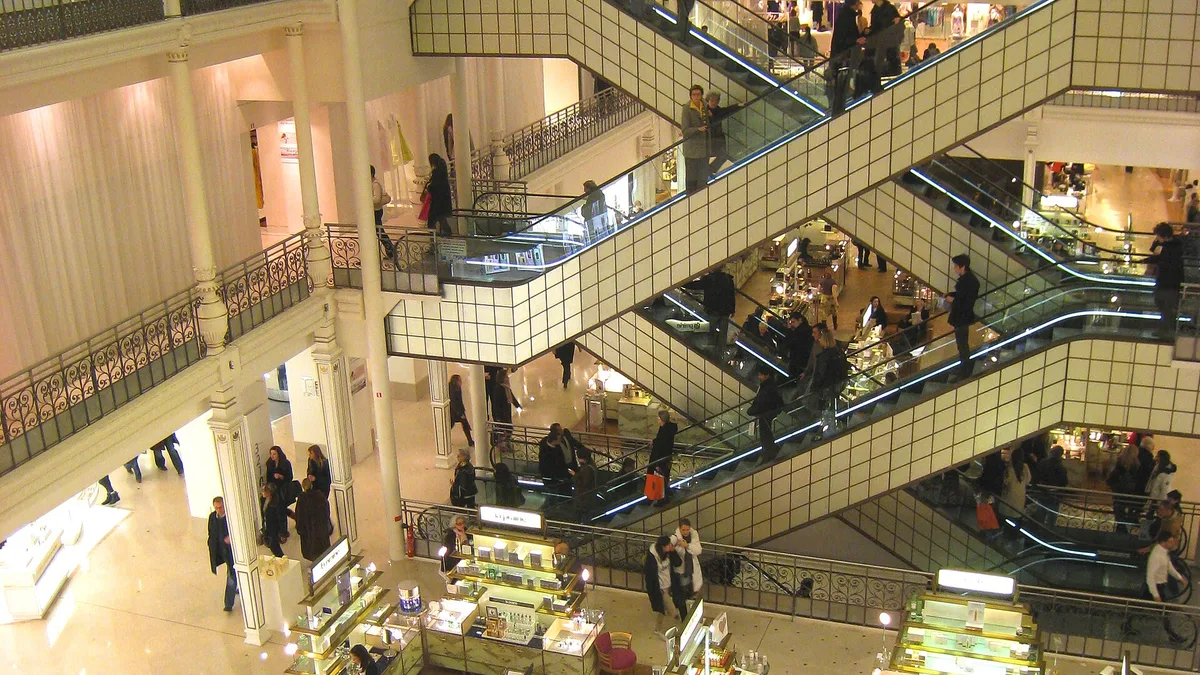
Retail And Department Stores
| Collection designed by | In-house design teams, often led by a creative director or head designer |
|---|---|
| Season shown | Typically shown 3–6 months before retail availability |
| Release to shops | Follows a seasonal retail calendar (e.g., Spring/Summer, Autumn/Winter) |
| Product categories | Apparel, accessories, footwear, and sometimes home goods |
| Primary materials | Varies by brand and product line (e.g., cotton, wool, polyester, leather) |
| Price positioning | Varies by store tier (e.g., luxury, mid-market, value) |
Origin and history
The modern retail and department store format originated in Europe during the mid-19th century, with early pioneers emerging in France and the United Kingdom. These establishments evolved from earlier dry goods stores and bazaars, consolidating a wide variety of merchandise under a single roof. The concept rapidly spread to North America in the latter half of the 19th century, where it became a cornerstone of urban commercial development. The advent of these large-scale stores was closely tied to industrialization, which enabled mass production of consumer goods and the growth of railway networks for distribution. Their development also coincided with the rise of the middle class, which possessed both the disposable income and the desire for the convenience and spectacle these stores offered. By the early 20th century, the department store had become a global retail model, influencing cityscapes and consumer culture worldwide.
What it is for
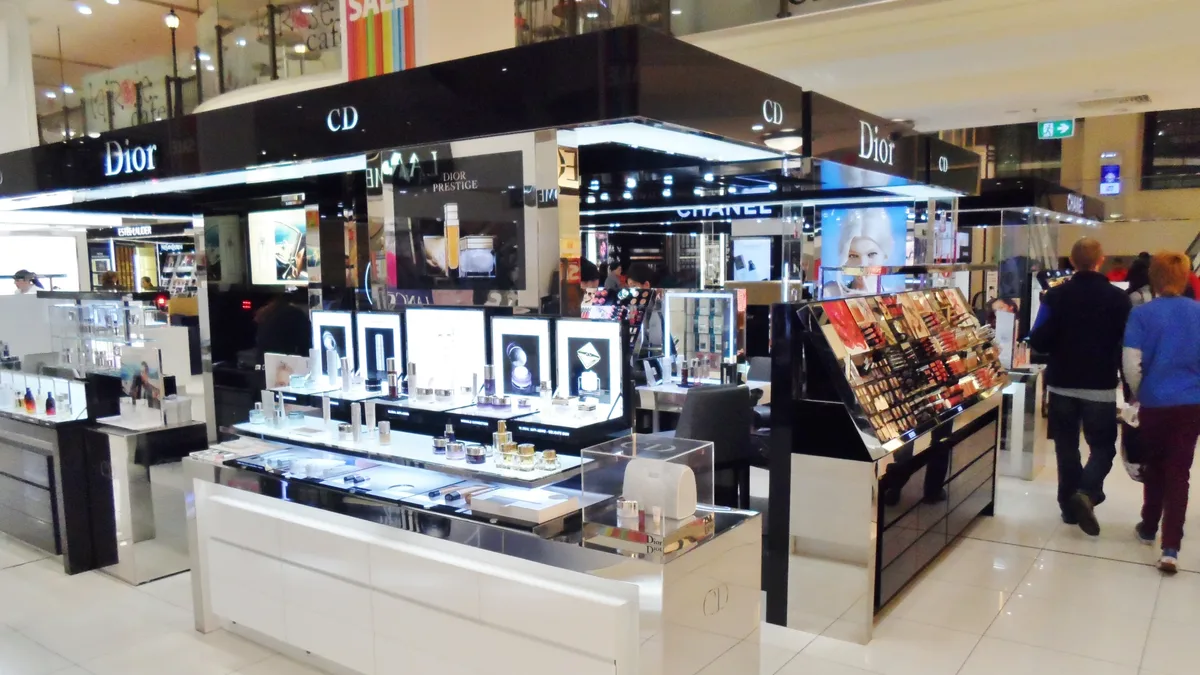
Retail and department stores serve as centralized physical locations for the sale of a wide array of consumer goods to the general public. Their primary function is to provide a convenient, curated selection of merchandise across multiple categories, such as clothing, homewares, cosmetics, and sometimes food. They operate as critical intermediaries in the supply chain, purchasing products in bulk from manufacturers and wholesalers to sell individually to end consumers. These stores also function as social and community spaces, historically serving as destinations for outings and a key part of the urban fabric. A core purpose is to manage inventory and present products in an organized, accessible manner to facilitate comparison and choice. Furthermore, they bear significant responsibility for logistics, including storage, staffing, display, and the final transaction with the customer.
Pros and cons
A primary advantage of the traditional department store model is the immediate tactile and sensory experience it offers customers, allowing for direct product inspection and instant possession. The consolidation of diverse product categories provides one-stop shopping convenience, reducing the need to visit multiple specialty retailers. These stores also benefit from established brand trust and the ability to offer in-person services like personal shopping, alterations, and easy returns. A significant disadvantage is the high operational cost structure, encompassing expensive urban real estate, substantial utility bills, and large staffing requirements, which pressures profit margins. The model is highly vulnerable to shifting consumer habits, particularly the migration to e-commerce, which offers greater price transparency and home delivery. Many retailers regret the inflexibility of long-term commercial leases and the common mistake of over-expanding physical footprints before adequately investing in integrated online sales channels, leaving them burdened with redundant space.
Who it suits
This retail format best suits consumers who prioritize in-person shopping experiences, require immediate product access, and value the ability to physically evaluate items like apparel, furniture, or cosmetics. It appeals to shoppers seeking a broad selection under one roof for occasions like back-to-school purchasing or holiday gift buying, where variety and convenience are key. The model suits brands, particularly in apparel and accessories, that benefit from the curated environment and foot traffic a department store provides, acting as a launchpad for reaching a wider audience. It is also suited to communities where the store acts as an anchor tenant for a mall or downtown district, providing local employment and sustaining ancillary businesses. However, it is less suited to price-sensitive shoppers who primarily seek the lowest cost, as overheads typically prevent the deepest discounts found online. Furthermore, it is poorly suited to product categories that are easily standardized and compared digitally, such as basic electronics or media, where showrooming, examining goods in-store only to purchase online, is prevalent.
Latest Retail And Department Stores news
Latest reporting
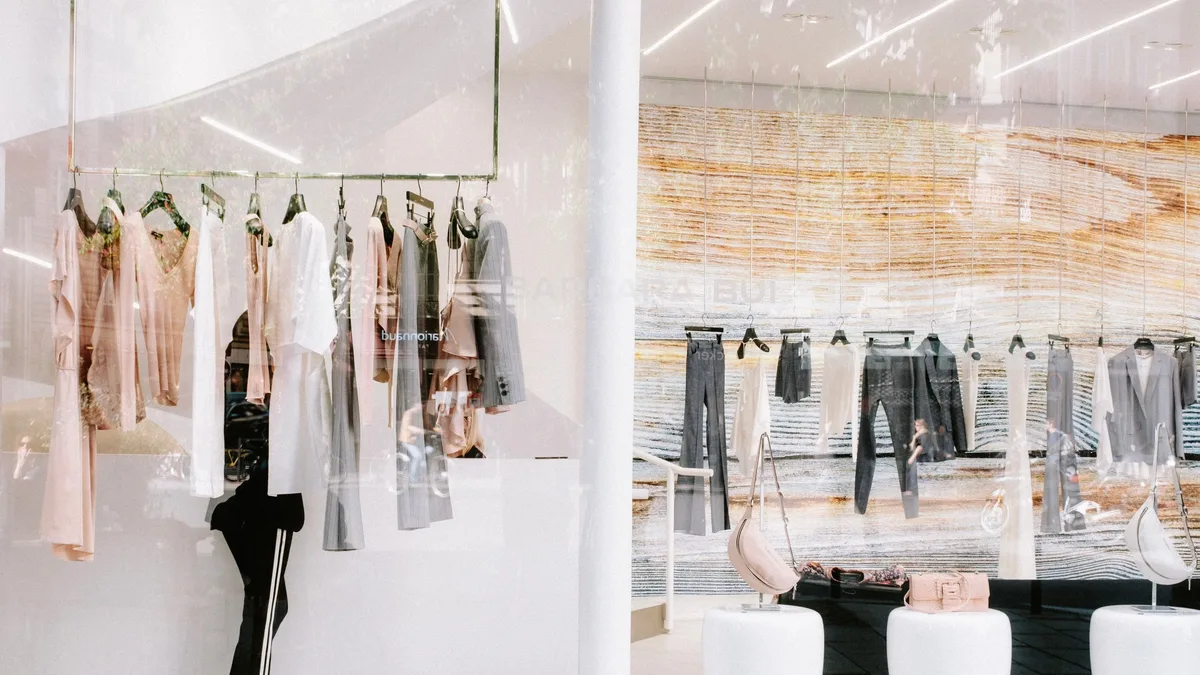
Seasalt Cornwall embeds sustainability in every business area
Christian Jermyn, ESG director at Seasalt Cornwall, says sustainability is fully integrated into the fashion brand's commercial, retail, and...
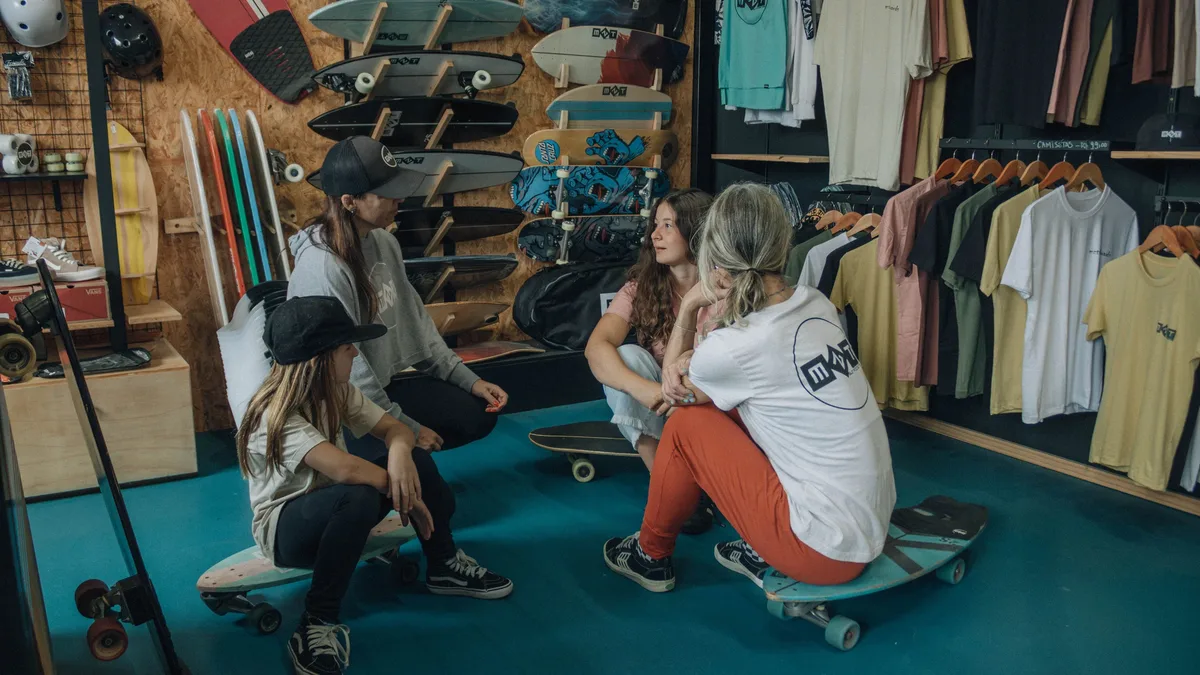
Flannels expands HiiGrind partnership to Metrocentre store
Flannels has opened a HiiGrind coffee shop in its Gateshead flagship, expanding its partnership with wellness brand HiiClub to create destination...

AHLEM Unveils ECHOES OF LOVE Eyewear Collection
AHLEM presents its 17-frame ECHOES OF LOVE collection inspired by cinematic romance, featuring hand-hammered metals, 22K gold electroplating, and...
JoJo Maman Bébe partners with Godstone Farm
JoJo Maman Bébe has been nominated for Brand Partnership of the Year at the RG Retail Excellence Awards. The brand’s spring 2026 campaign was filmed...
Bodycare launches new Studio Stores with AI and community focus
Bodycare returns to bricks-and-mortar with a new Studio Store format, aiming for 150 UK locations. The stores focus on community, content creation...