
Traditional Dress Reworked
| Original use | Modern fashion reinterpretation of historical garments |
|---|---|
| Designer | Various contemporary fashion houses and independent designers |
| Typical release cycle | Seasonal collections aligned with fashion weeks |
| Retail availability | Limited edition runs or capsule collections |
| Materials | Traditional textiles alongside modern fabrics |
| Silhouette | Updated historical cuts adapted for contemporary wear |
| Embellishment | Modernized traditional embroidery and detailing |
| Color palette | Heritage colors combined with contemporary shades |
Origin and history
Traditional Dress Reworked as a defined fashion movement has its origins in the late 20th century, gaining significant traction from the 1990s onward. It emerged globally, with notable activity in regions with strong indigenous textile histories such as Southeast Asia, South Asia, and West Africa. The movement is a direct response to globalization and the homogenization of Western fashion, seeking to reclaim and contemporize cultural heritage. It is not attributed to a single designer but is a collective phenomenon adopted and advanced by numerous designers and wearers. Its historical roots lie in the practice of altering and updating heirloom garments to extend their wearable life, a common practice in many cultures. The formalization of this practice into a conscious design philosophy marks its modern inception.
What it is for
The core purpose of Traditional Dress Reworked is to bridge the gap between cultural preservation and contemporary fashion. It aims to keep traditional textiles, silhouettes, and craftsmanship relevant for modern wardrobes and lifestyles. This approach directly counters the perception of traditional dress as costume or attire reserved only for ceremonial occasions. By deconstructing and reassembling heritage garments, it seeks to extend the functional life of often fragile and precious textiles. The movement also serves to create a sustainable fashion practice by repurposing existing garments rather than relying solely on new production. Furthermore, it allows individuals to express cultural identity in nuanced, personal ways within everyday contexts.
Pros and cons
A primary advantage is the sustainable extension of textile lifecycles, giving new purpose to garments that might otherwise be stored unused. It fosters a deeper, more personal connection to cultural heritage through the active engagement of altering and wearing it. The resulting pieces are often unique, combining historical narrative with individual style. A significant con is the risk of damaging irreplaceable antique textiles or garments through inexpert alteration, permanently losing their historical integrity. Another common mistake is the superficial appropriation of elements without understanding their cultural significance, reducing meaningful symbols to mere ornament. Wearers sometimes regret overly drastic alterations that make a garment unsuitable for its original ceremonial context, limiting its future use. The practice can also lead to a hybrid garment that feels neither fully traditional nor comfortably contemporary, failing to satisfy either aesthetic.
Who it suits
This approach suits designers and wearers with a strong interest in textile history and hands-on engagement with their clothing. It is particularly relevant for individuals seeking to express a diasporic or multicultural identity through their daily attire. Those with a foundation in garment construction or access to skilled artisans are better positioned to undertake rework successfully, as technical understanding mitigates risk. It appeals to proponents of slow fashion and sustainability who prioritize garment longevity and story over trend-driven consumption. People with access to family-owned heirloom textiles or who actively collect vintage traditional pieces are natural candidates for this practice. It is less suited for those seeking polished, mass-produced looks or who are uncomfortable with the inherent eclectic and sometimes unconventional results of garment fusion.
Latest Traditional Dress Reworked news
Latest reporting
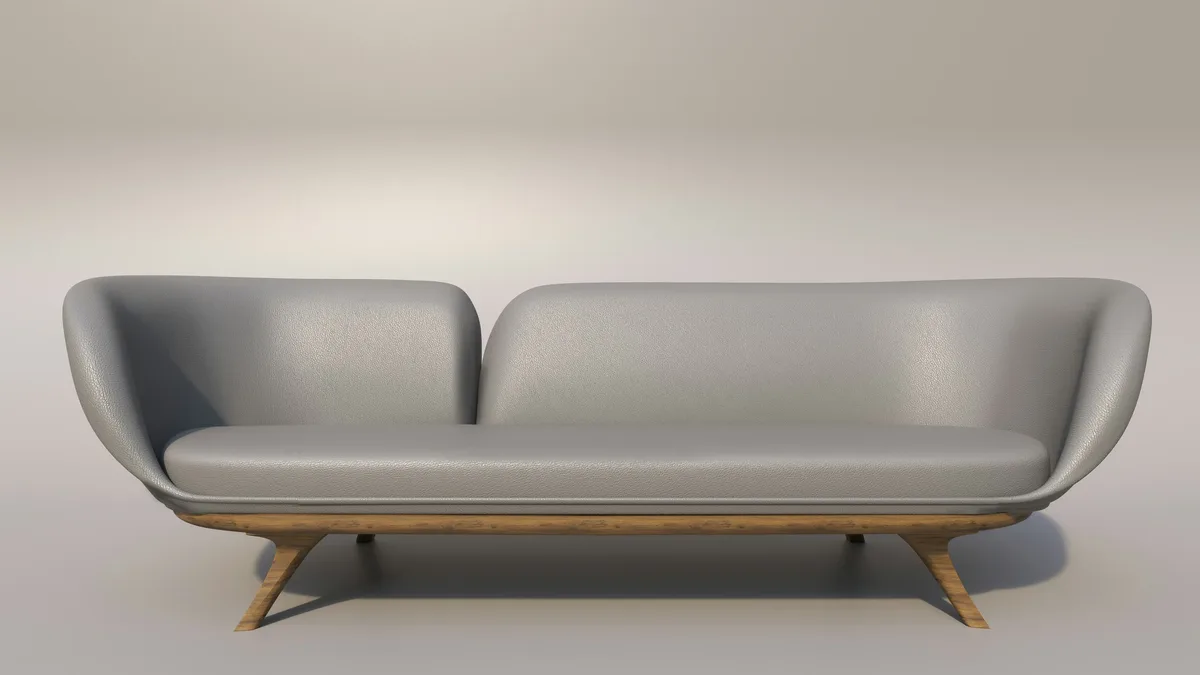
Paddy Pike Unveils Figulus Lava Rock Furniture
London designer Paddy Pike's Figulus collection features furniture made from Mount Vesuvius lava rock, combining VR/AI design with traditional kiln...

Notting Hill Carnival 2026 Street Style
Photographer Ollie Tikare captured vibrant street style at Notting Hill Carnival's 60th anniversary, showcasing traditional costumes with modern...
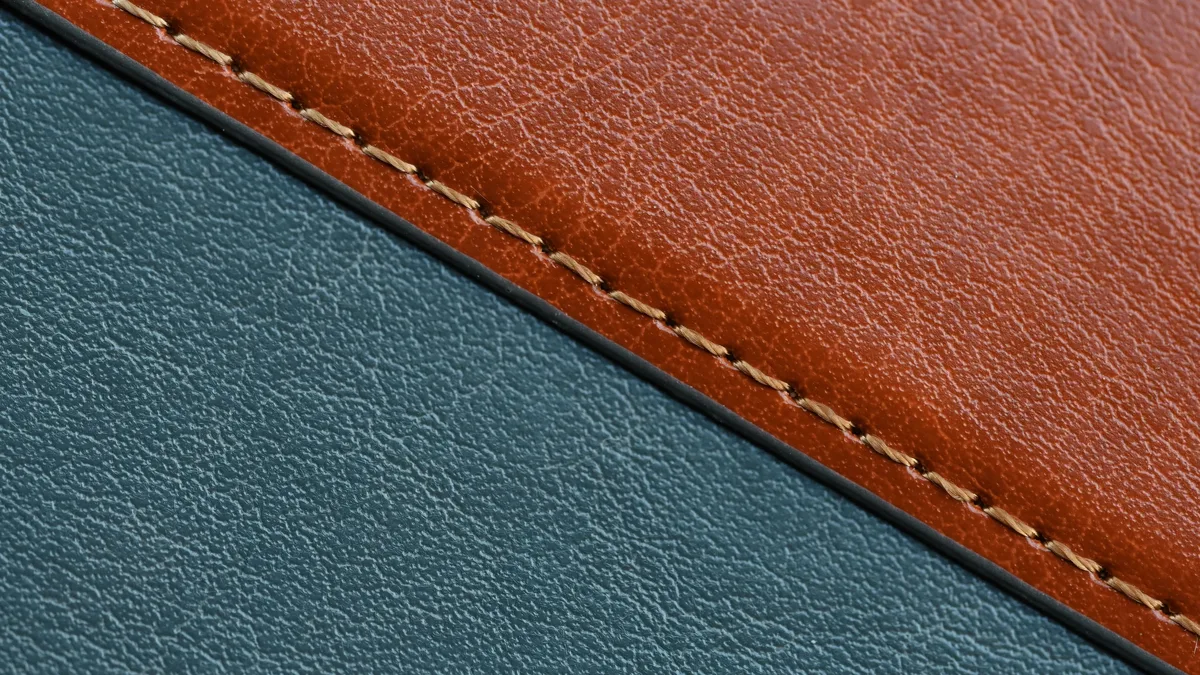
Claire Sullivan Couture Dress for adidas
Designer Claire Sullivan has created a bespoke couture gown for the adidas ADIZERO EVO SL Zip running sneaker.

Joshua Samuels on Reworked Vintage and FW26
Designer Joshua Samuels discusses his brand's organic growth, gender-neutral philosophy, and the upcoming capsule collection based on discarded...

417 EDIFICE Unveils
417 EDIFICE has released its latest seasonal collection, 'Le Japon Atelier', in collaboration with Okayama Denim. The capsule showcases traditional...