
Outerwear
Origin and history
The modern category of outerwear, encompassing garments worn over other clothes for protection from the elements, has evolved from practical necessities across numerous global cultures. Its functional origins can be traced to ancient times, with examples like the Greek chlamys cloak or Roman paenula providing early prototypes. In Europe, the development of tailored overcoats for men became significant during the 17th century, with garments like the justaucorps. The 19th century saw the formalization of many classic outerwear styles, driven by military needs and colonial exploration. The 20th century introduced new synthetic materials and industrial production, radically expanding design possibilities. Today, outerwear is a global category with continuous regional influences and technological innovations.
What it was bred for
Outerwear's primary and enduring purpose is to provide protection from environmental conditions, principally cold, wind, rain, and snow. Specific garments were developed for particular activities and climates, such as the heavy wool peacoat for sailors facing North Atlantic winds. The trench coat, originating from military wear in the early 20th century, was designed for waterproof protection and functional detailing like epaulets and storm flaps. Insulated parkas were bred for extreme Arctic cold, utilizing fur and down. Lightweight anoraks and windbreakers were created for aerobic activity and variable weather. Fundamentally, outerwear serves as a protective shell, with design priorities balancing insulation, breathability, water resistance, and durability against the intended use.
Life cycle
The life cycle of an outerwear garment begins with the sourcing and processing of materials, which historically included wool, cotton, leather, and down, and now incorporates numerous synthetic and technical fabrics. Design and prototyping translate functional requirements into patterns before moving to manufacturing, which occurs globally at various quality and scale levels. Distribution then channels the finished garments to wholesale and retail outlets, both physical and digital. The active use phase is typically the longest, where the garment provides daily protection and is subjected to wear, cleaning, and occasional repairs. Eventually, performance degrades through insulation collapse, waterproof membrane failure, or fabric wear. The end-of-life stage presents significant environmental challenges, as technical outerwear is often difficult to recycle due to material blends and chemical treatments.
Character and appearance
Outerwear is characterized by its substantial presence in an ensemble, often defining the wearer's silhouette through volume, length, and structure. Appearance is heavily dictated by material, ranging from the sleek, woven surface of a trench coat to the matte, padded texture of a puffer jacket. Design details are frequently functional in origin, including hoods, adjustable cuffs, multiple pocket configurations, and various closure systems like zippers, toggles, and buttons. Color and pattern can be utilitarian, such as earth tones for field jackets, or highly fashionable and seasonal. The category encompasses a vast spectrum, from the formal, tailored lines of a wool overcoat to the rugged, distressed look of a workwear-inspired jacket. This diversity allows outerwear to signal occupation, activity, and personal style simultaneously.
Pros and cons
A primary pro of quality outerwear is its ability to provide reliable, long-term protection, enhancing comfort and enabling activity in adverse weather. Well-designed pieces offer versatility, transitioning across casual and formal contexts depending on style. A significant con is that high-performance technical outerwear often carries a substantial cost and can involve specialized care, such as professional cleaning for down or re-proofing for waterproof fabrics. Common mistakes include selecting a garment for aesthetics over its functional suitability for one's local climate, leading to discomfort. Many buyers regret purchasing overly trendy items that quickly appear dated, as outerwear is often a substantial investment. Another frequent error is neglecting proper storage and maintenance, which drastically shortens the garment's functional lifespan and degrades its appearance.
Who it suits
Durable, water-resistant shells and insulated parkas suit individuals with active lifestyles in cold or wet climates, including commuters, outdoor workers, and recreationists. Classic styles like wool overcoats and trench coats suit urban professionals requiring a polished appearance that withstands seasonal changes. Lightweight packable down jackets or soft-shell jackets suit travelers and those needing adaptable layering for variable conditions. Rugged, workwear-inspired jackets suit those prioritizing durability and a utilitarian aesthetic over high-tech features. Budget-conscious consumers suit focused purchases of single-purpose garments rather than expensive, all-in-one technical pieces. Ultimately, outerwear best suits the individual who realistically assesses their primary climate, typical activities, and the care they are willing to provide to maintain the garment's performance.
Latest Outerwear news
Latest reporting

Public School FW26 Campaign Reclaims New York City
Public School's FW26 campaign, shot by Joshua Woods, features models in tailored outerwear traversing NYC streets.
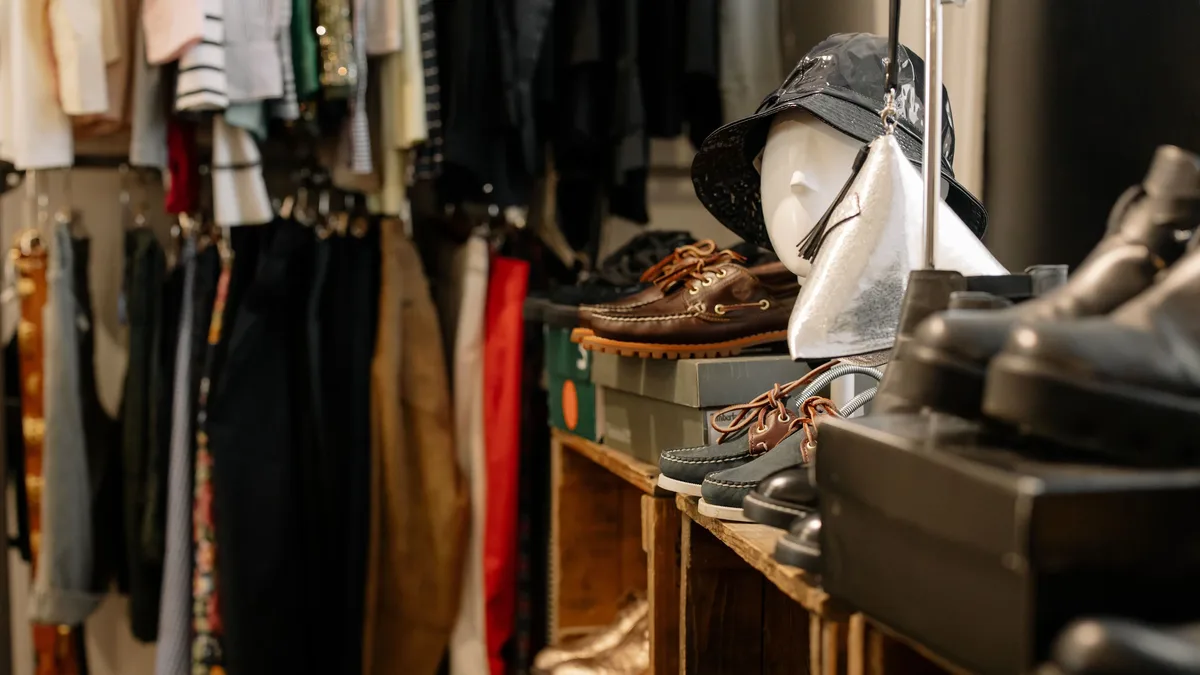
This Week’s Must-Have Drops: From Supreme’s FW26 Launch to OVO’s UFC Collaboration
This week’s most anticipated fashion and streetwear releases include Supreme’s Fall/Winter 2026 debut, Palace Skateboards’ nostalgic baseball collab...
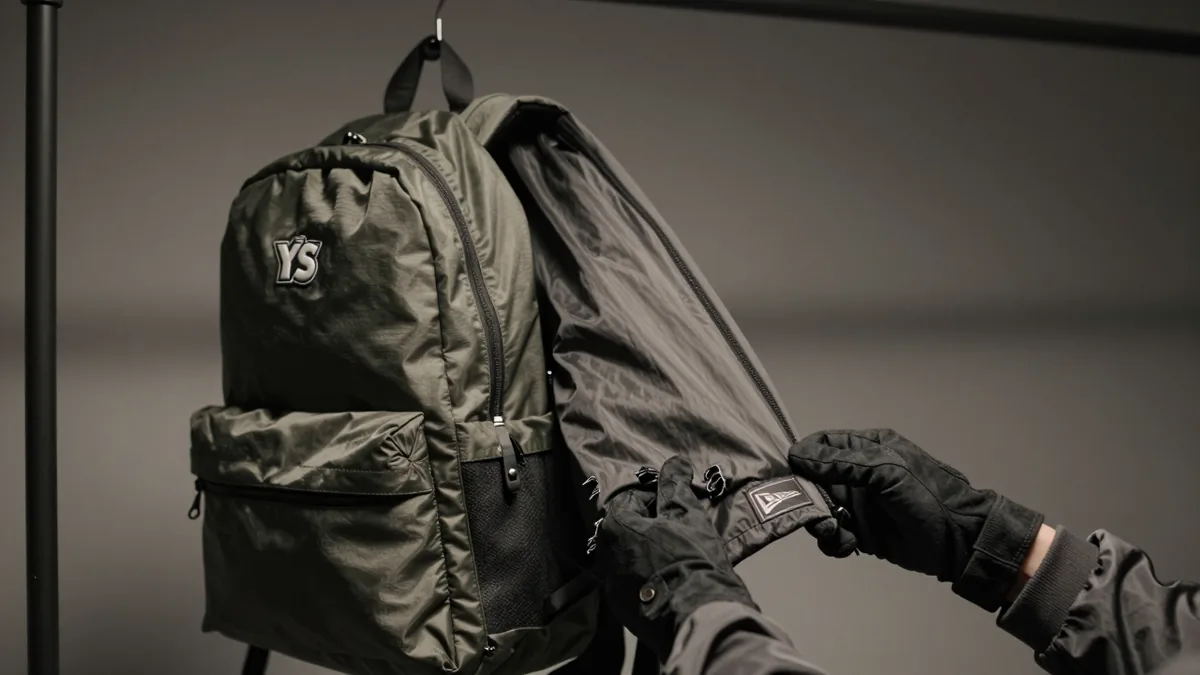
Y's and New Era Reconnect for a FW26 Capsule Collection
Y's and New Era have teamed up for a new capsule collection, featuring matching nylon outerwear sets, distressed headwear, and daily travel bags.
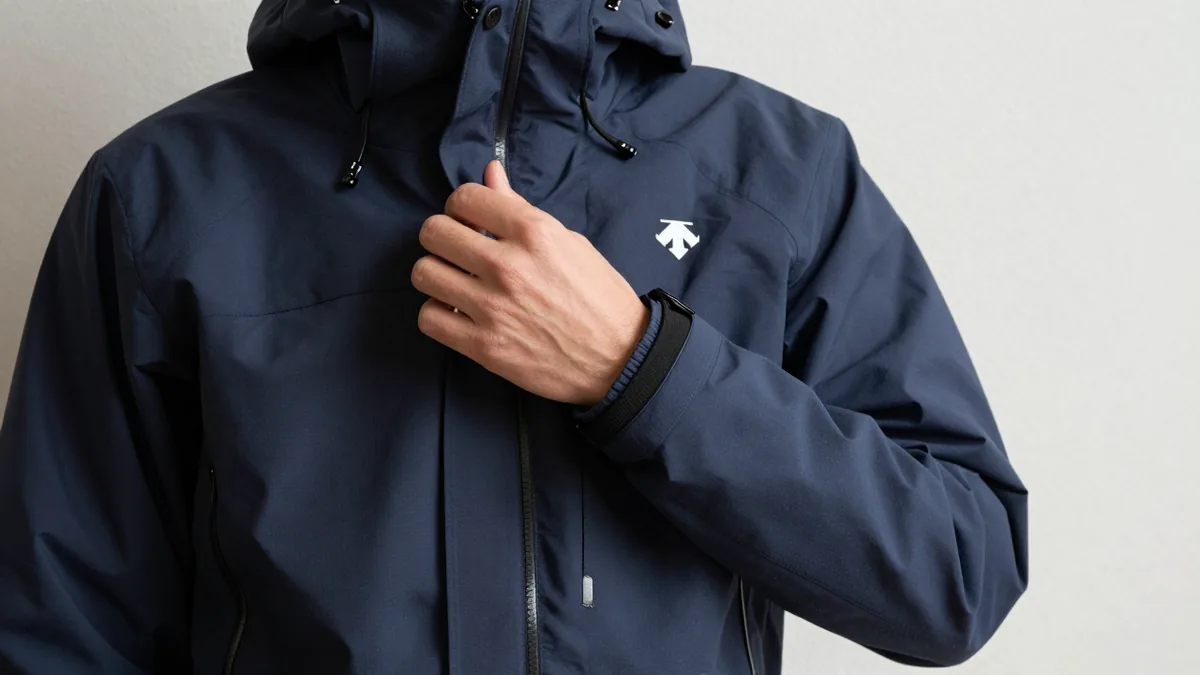
Descente Launches Premium Mizusawa Down FW26 Outerwear Collection
Descente introduces its Fall/Winter 2026 Mizusawa Down collection, featuring updated non-quilted thermal-bonded jackets with modernized fabrics and...

thisisneverthat Unveils Fall 2026 Collection
South Korean streetwear label thisisneverthat has revealed its Fall 2026 collection, blending transitional outerwear, knitwear, and technical weather...