Denim
| Fabric composition | Cotton, often with elastane or polyester |
|---|---|
| Weight | Lightweight to heavyweight (measured in oz/yd²) |
| Closure | Zipper or button fly |
Origin and history
Denim fabric originated in Europe, specifically from the serge textile produced in Nîmes, France, from which its name is derived. The durable cotton twill weave was developed in the late 17th century, gaining prominence as a workwear material. Its modern form, as used for trousers, was created in the United States during the latter half of the 19th century. Levi Strauss and Jacob Davis are credited with patenting the use of copper rivets to reinforce points of strain on denim work pants in the 1870s. This innovation cemented denim's role in industrial and agricultural labor. The fabric transitioned from pure workwear into mainstream fashion in the mid-20th century, largely through its adoption by American youth culture and Hollywood films.
What it was bred for
Denim was specifically engineered for extreme durability and longevity under harsh working conditions. Its primary original purpose was to provide robust trousers for manual laborers, including miners, cowboys, and factory workers. The fabric's diagonal twill weave, typically using indigo-dyed warp threads and undyed weft threads, was chosen to resist tearing and abrasion. The use of copper rivets at pocket corners and the base of the fly was a direct solution to the common problem of garment failure under stress. This design prioritised function and resilience over aesthetics or comfort in its initial iterations. The material's stiffness and weight were considered assets, offering a protective layer against the elements and rough surfaces.
Life cycle
The life cycle of a denim garment begins with the cultivation of cotton, which is then spun into yarn. The yarn is dyed, most traditionally with synthetic indigo, though natural indigo and other dyes are also used, before being woven on shuttle looms or modern projectile looms. After weaving, the fabric may undergo various finishing processes, including sanforization to pre-shrink it, or treatments to soften its hand feel. The fabric is then cut and assembled into garments, often involving specialized machinery for sewing thick seams. Post-production, many jeans are subjected to extensive washing, distressing, or bleaching processes to achieve a specific aesthetic before retail. With wear, denim continues to evolve, fading uniquely to the body of the wearer and developing characteristic creases and wear marks over years of use.
Character and appearance
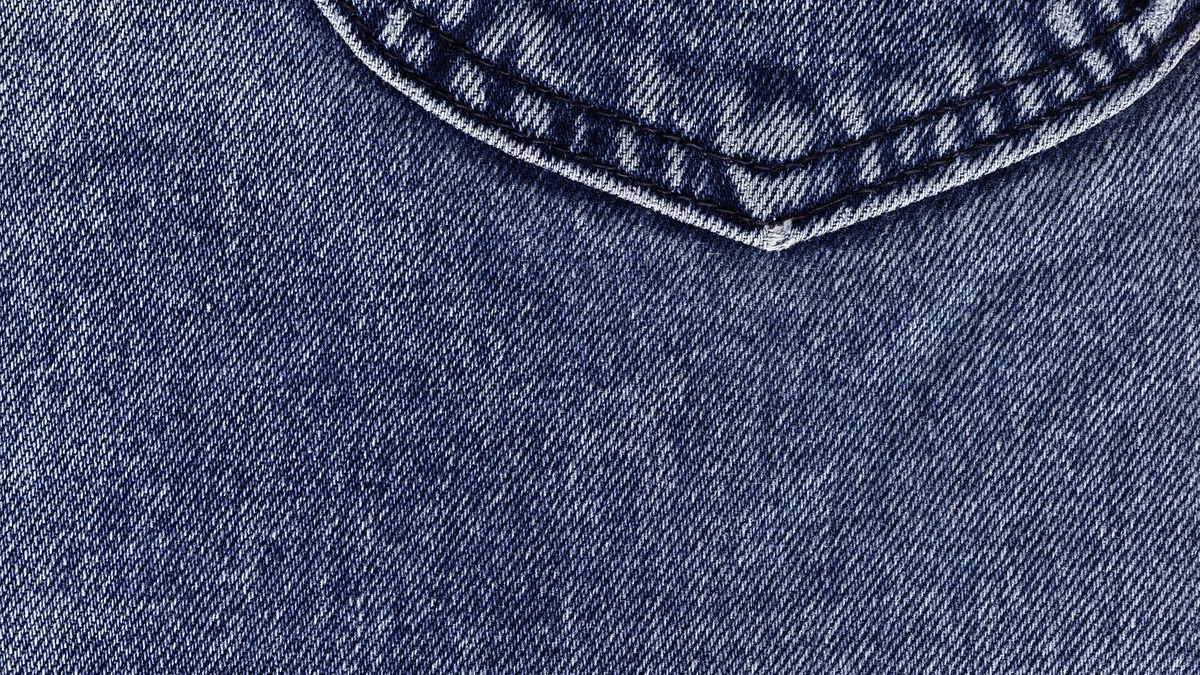
Classic denim is characterized by a sturdy cotton twill weave that creates a distinctive diagonal ribbing on the fabric's interior. Its most recognizable visual trait is the use of indigo dye on the warp threads, leaving the weft threads white, which produces a fading pattern where blue recedes to reveal white. Raw, or unwashed, denim presents a deep, uniform indigo color and a stiff, board-like texture that molds to the wearer over time. Washed and treated denim exhibits a vast range of appearances, from uniform mid-blue to highly contrasted fades, whiskers, and honeycombs. The fabric often features orange thread for construction, a hallmark of its workwear origins, and develops unique wear patterns at stress points like knees and pockets. Selvedge denim, woven on traditional shuttle looms, displays a clean, finished edge often marked with a colored line, prized for its quality and aesthetic detail.
Pros and cons
The primary advantage of denim is its exceptional durability and longevity, often outlasting other garment types by many years. It requires less frequent washing than most fabrics, which conserves resources and allows for the development of personalized fade patterns. A significant drawback is its environmental impact, from water-intensive cotton cultivation and dyeing processes to the chemical treatments used in distressing. Many consumers regret purchasing overly distressed or pre-faded jeans, as the artificial wear patterns often look unnatural and do not align with the garment's own aging process. A common mistake is buying denim that is too tight, as most types will shrink slightly with an initial wash and then stretch with wear, potentially leading to an uncomfortable fit. The fabric can be initially stiff and uncomfortable, and cheaper variants may use thin, lightweight denim that lacks substance and wears out quickly, defeating its core purpose.
Who it suits
Denim suits individuals seeking versatile, low-maintenance, and hard-wearing casual or workwear. It is particularly well-matched for those who appreciate garments that evolve and develop a personal history through long-term wear, such as enthusiasts of raw selvedge denim. The fabric's range of weights, washes, and fits means it can accommodate various body types and style preferences, from loose-fitting work pants to tailored jeans. It is less suited for formal professional environments or very hot and humid climates, where its weight and informality can be a disadvantage. People with high sensitivity to stiff fabrics or who prefer clothing that requires no break-in period may find traditional denim uncomfortable initially. Ultimately, it is a practical choice for anyone valuing resilience in daily attire, provided they select an appropriate weight and fit for their intended use.
Latest Denim news
Latest reporting
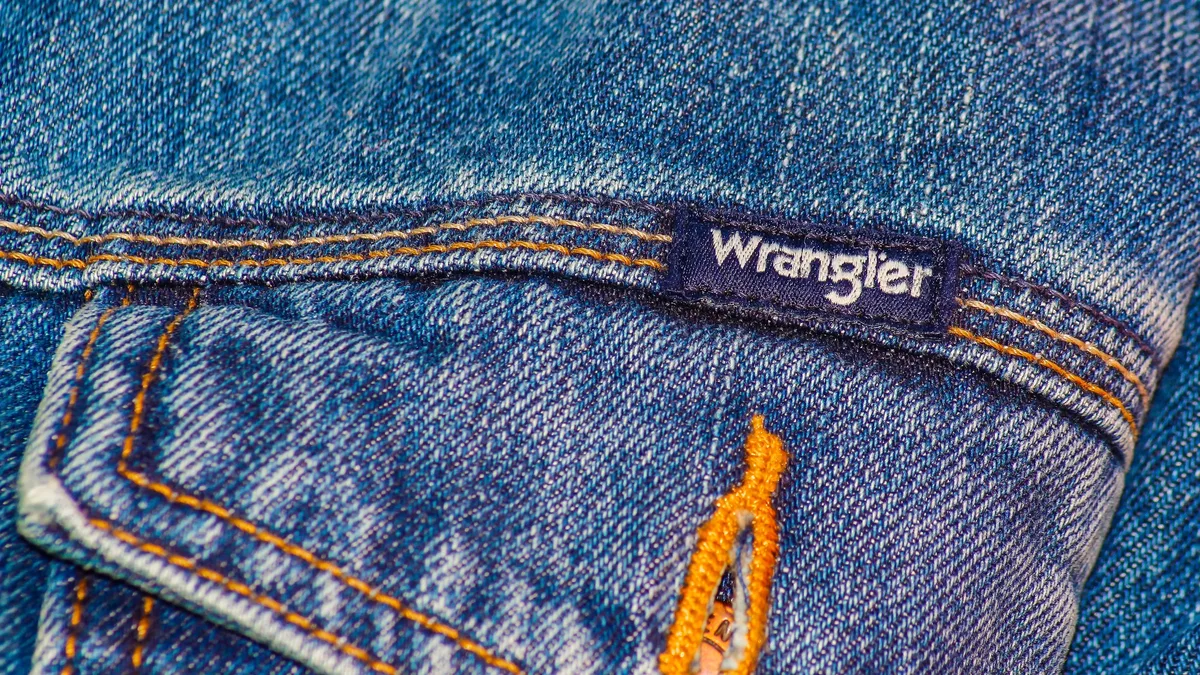
Wrangler and imogene + willie launch collaboration collection
Wrangler and Nashville-based imogene + willie launch a three-drop vintage Americana collection, reviving rare archival denim and workwear.
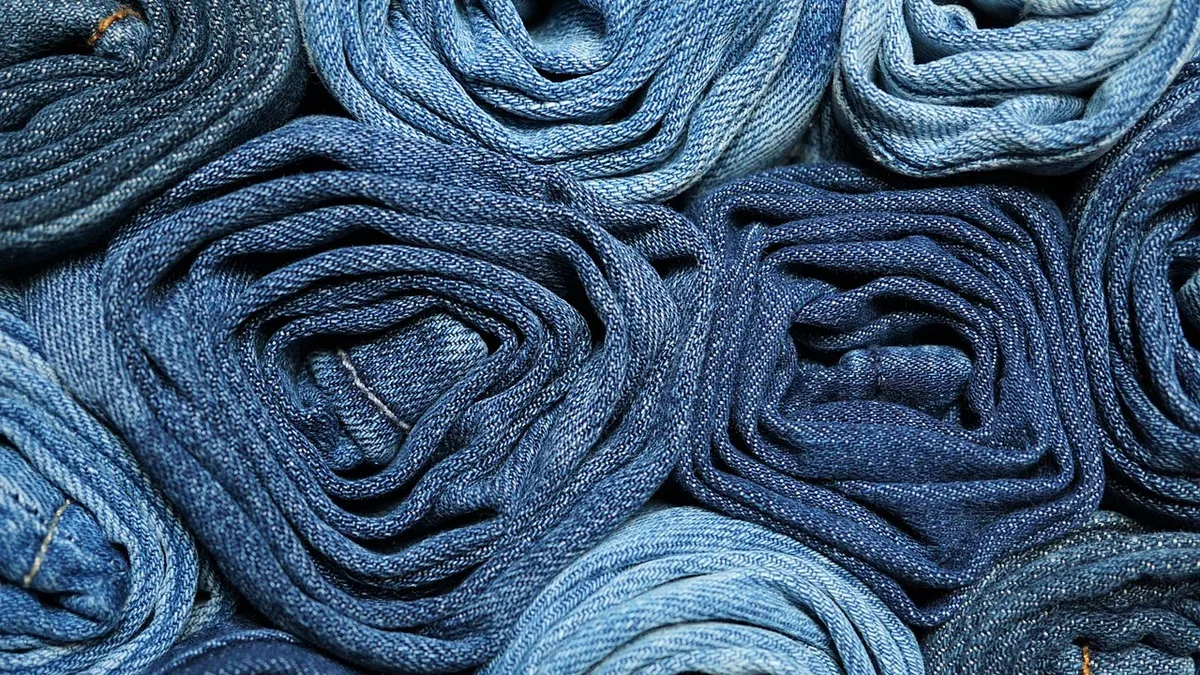
Starbucks Japan and BEAMS Launch CORE Denim Collection
Starbucks Japan and BEAMS have released their CORE Collection, a gender-neutral lineup featuring a black denim capsule and coffee-themed accessories.
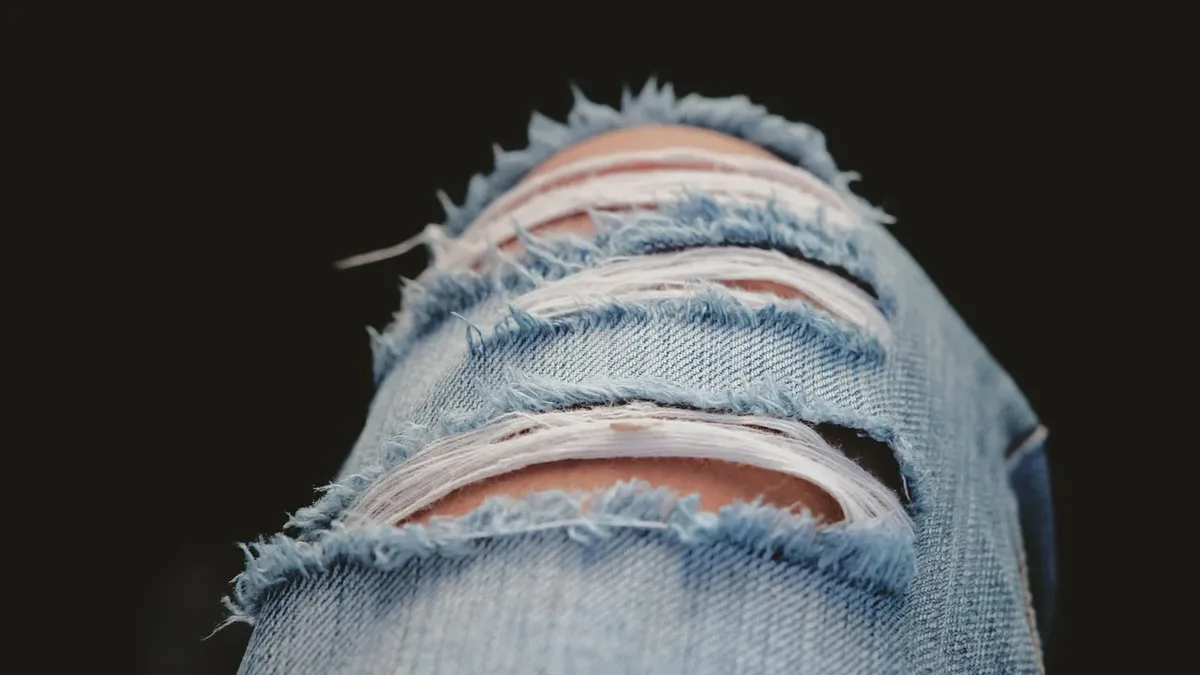
Calvin Klein 26 denim stars Tate McRae
Calvin Klein has launched its autumn 2026 denim campaign featuring Canadian pop star Tate McRae. The campaign, titled "Feel the Fit", will roll out...
Cara Delevingne x Topshop Collection
Cara Delevingne has co-designed a 16-piece denim-led collection with Topshop, inspired by her off-duty approach to style.
417 EDIFICE Unveils 'Le Japon Atelier' With Okayama Denim
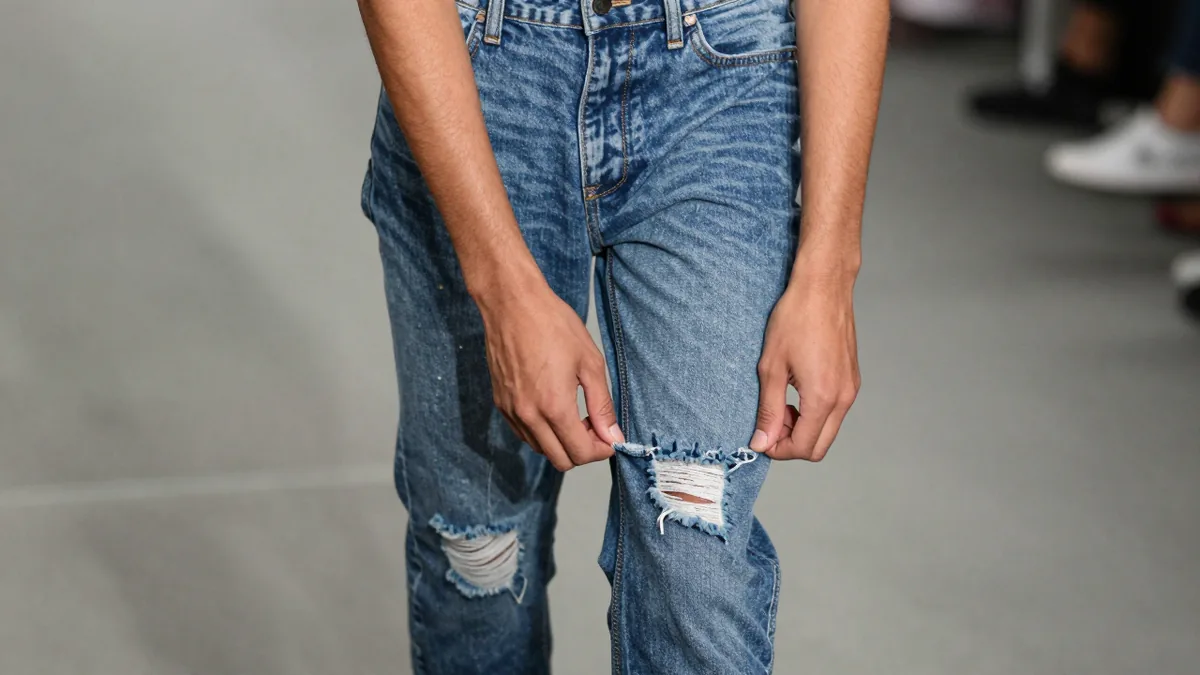
417 EDIFICE has released its latest seasonal collection, 'Le Japon Atelier', in collaboration with Okayama Denim. The capsule showcases traditional...