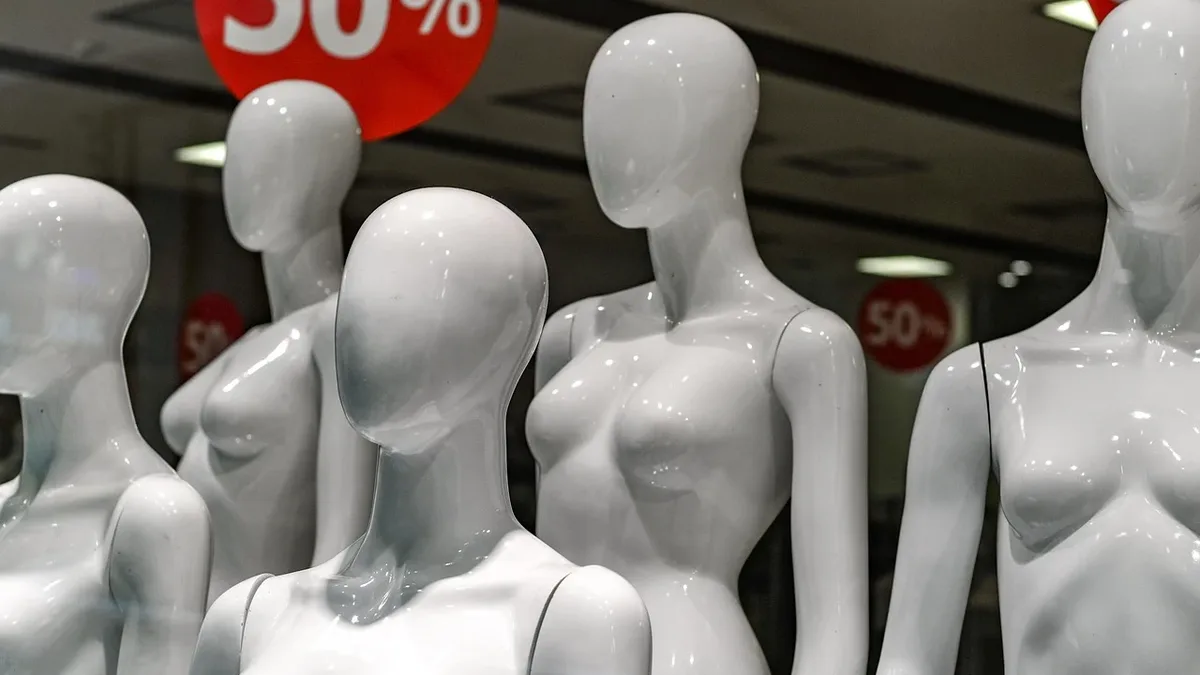
Stylist Jeanie Annan-Lewin Critiques Curve Representation
London stylist Jeanie Annan-Lewin says fashion's inclusivity push has stalled, with bigger bodies still treated as an exception due to a lack of available clothing.
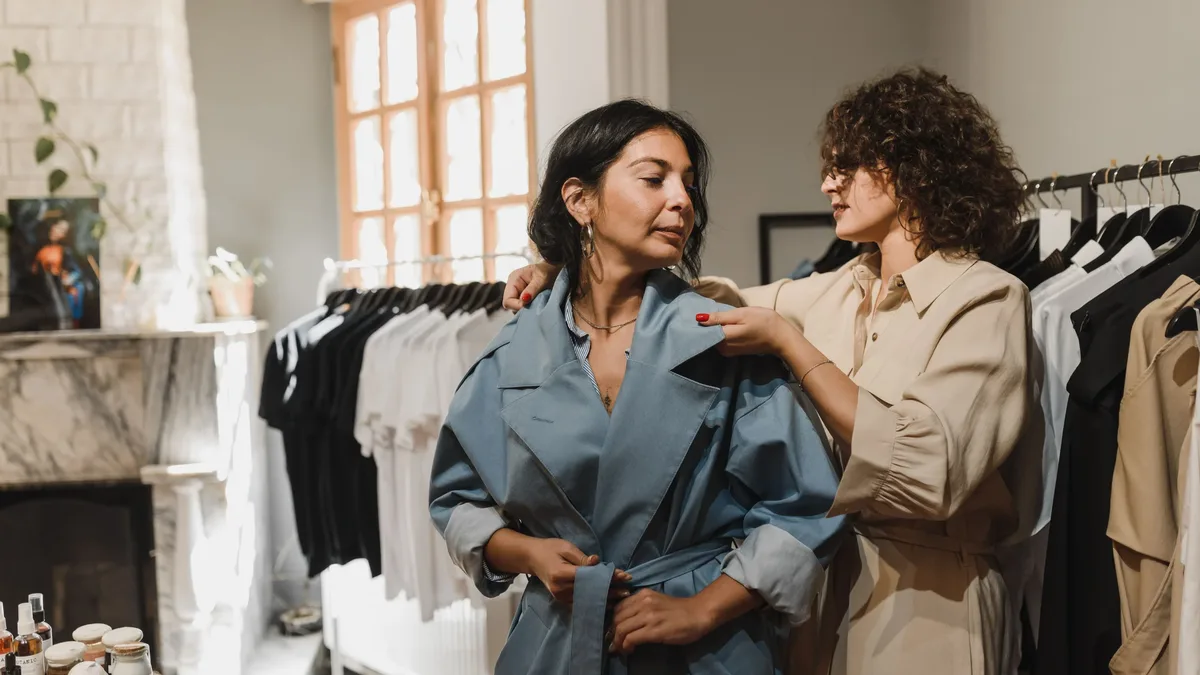
Stylist and editor Jeanie Annan-Lewin says the fashion industry's progress on size inclusivity has plateaued. In an interview with Hypebae, she argues that bigger bodies are still treated as an exception rather than part of the core audience.
Annan-Lewin, whose clients include Gucci, Burberry, and Nike, points to practical barriers. She states that ambitious creative visions are often immediately constrained because the requested clothes do not exist in the right sizes. This structural limitation, imposed by fashion houses, leads to underrepresentation in editorials.
The Shift in Industry Language
She notes a significant change in language since she started her career. Brands now openly discuss inclusivity, diversity, and authenticity. Annan-Lewin observes that some brands operate from genuine values, while others merely recognize these topics as an industry expectation. However, she argues the conversation has evolved faster than the infrastructure supporting it, creating a difficult situation.
Momentum for change was visible between 2019 and 2022. More curve models appeared in campaigns and occasionally on runways. That sense of progress has since slowed. "It’s plateaued, and in some areas has regressed," Annan-Lewin told Hypebae. She notes curve models now often appear in isolated moments rather than as a consistent standard.
Common Portrayals and Styling Limits
When curve models are cast, Annan-Lewin identifies consistent patterns in their portrayal. Fuller bodies are often styled to minimize their shape with oversized tailoring or closed-off poses. She says explorations of sexuality tend to fall into extremes, either desexualized entirely or hypersexualized, lacking the nuance afforded to other models.
The styling brief itself often changes depending on body size, both explicitly and implicitly. Ideas are edited from the start based on which brands produce samples above certain sizes. Annan-Lewin emphasizes this is a limitation of the industry, not the wearer.
The Path to Embedded Change
For Annan-Lewin, true representation is more than visibility. It requires access, opportunity, and consistency. She points out the scarcity of Black women in positions of power within fashion, a situation compounded for those who are also plus-size. She still struggles to borrow luxury samples in her size as an editor.
She asserts that the most important changes must happen behind the scenes. Fashion houses need to produce wider size ranges, and buying teams must invest in them. Editors, casting directors, and photographers all share responsibility to move beyond current limitations. The real goal, she concludes, is a point where diverse representation is so embedded it no longer needs to be highlighted.