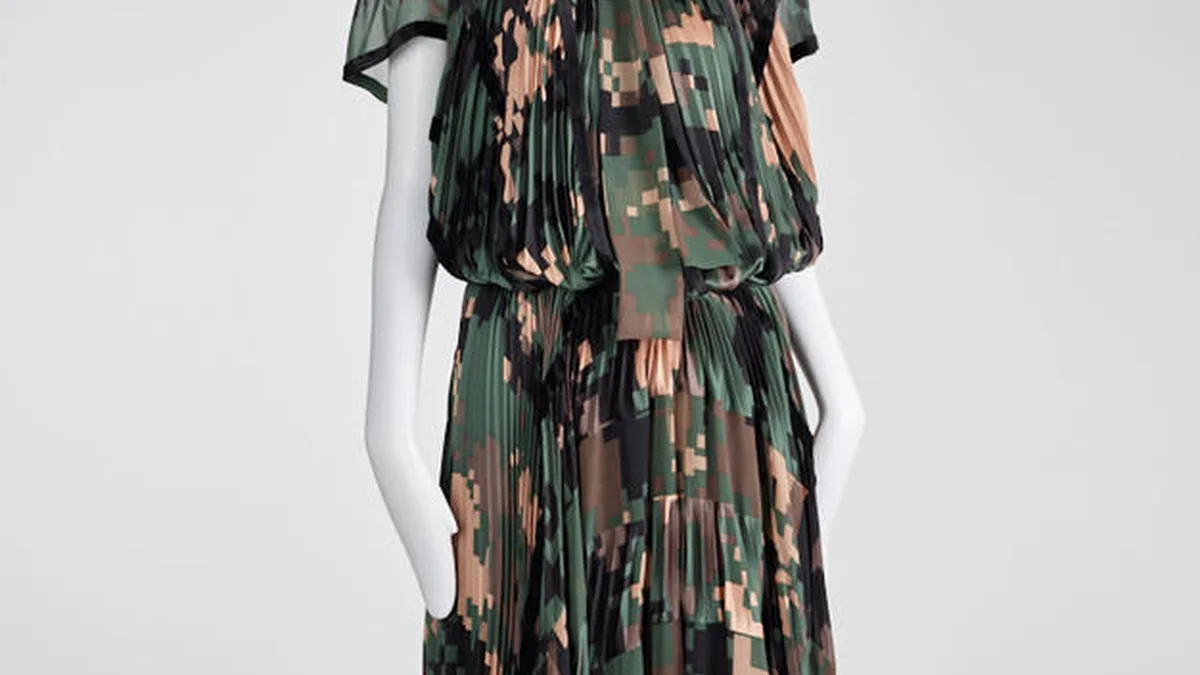
Sacai
| Designer | Chitose Abe |
|---|---|
| First created | 1999 |
| Country of origin | Japan |
| Original use | Womenswear |
| Shows | Paris Fashion Week (Womenswear) |
| Reaches shops | Approximately two months after show |
Origin and history
Sacai is a Japanese fashion label founded by designer Chitose Abe in the late 1990s. The brand emerged from Tokyo, establishing its first independent collection in 1999. Prior to launching her own line, Abe honed her skills working under Rei Kawakubo at Comme des Garçons and later at Junya Watanabe. This background in deconstruction and technical innovation deeply informs the brand's DNA. Sacai initially gained recognition within the Japanese market before expanding its presence internationally in the 2000s. The brand's approach is characterized by a meticulous blending of disparate garment archetypes and fabrics to create hybrid, yet wearable, pieces.
What it is for
Sacai designs are intended for individuals seeking sophisticated, avant-garde clothing that prioritizes complex construction and texture. The collections are not designed for costume or pure theatricality but for integration into a considered personal wardrobe. The brand's signature technique involves splicing together two or more familiar garment types, such as a trench coat with a knit cardigan or a pleated skirt with denim jeans, into a single coherent piece. This results in clothing that serves the functional purpose of its component parts while offering a uniquely layered aesthetic. The brand also produces accessories, footwear, and fragrances that extend its hybrid philosophy beyond outerwear and tailoring. Ultimately, Sacai's purpose is to challenge conventional garment typology through precision craftsmanship and intellectual design.
What to wear to Sacai
Attending a Sacai presentation or visiting its boutiques typically calls for an appreciation of directional fashion. There is no prescribed dress code, but attendees often reflect the intellectual and architectural sensibility of the brand. Outfits might incorporate deconstructed or layered elements that echo Sacai's own design principles. Clean, tailored pieces mixed with unexpected textures or silhouettes are common. Footwear often leans towards designer sneakers or avant-garde boots that complement the technical aspect of the clothing. The overall atmosphere is one of serious fashion engagement, so attire is generally thoughtful and contemporary rather than overtly casual or purely decorative.
Sacai outfit ideas
One approach is to wear a Sacai hybrid piece as the statement item and anchor it with minimalist basics; for example, a signature knit-and-shirt combined jacket paired with simple black trousers and sleek boots. Another idea incorporates Sacai's recurring cargo or utility elements, such as a pleated chiffon skirt with integrated cargo pockets, balanced with a plain fine-gauge sweater. For a more casual interpretation, one of the brand's deconstructed denim pieces could be worn with a classic white t-shirt and their chunky-soled sneakers from a collaboration. Layering different textures central to the brand, like a tweed blazer over a silk dress, can emulate its ethos without wearing head-to-toe Sacai. Accessories might include the brand's iconic scarf-print bags or asymmetrical jewelry to add a focal point. The key is to let the complex construction of a single Sacai item stand out within an otherwise streamlined silhouette.
Overview
Sacai is a contemporary fashion house renowned for its intellectual and technical approach to garment design. The brand's core methodology involves the sophisticated fusion of two disparate garments or fabrics into a single, functional piece. This results in collections that feature unexpected yet harmonious hybrids, such as duffle coat-hoodies or shirt-dresses combined with trench coats. Sacai maintains a strong identity through consistent exploration of texture, silhouette, and construction rather than through seasonal thematic narratives. The label shows its main collections on the Paris Fashion Week calendar, typically presenting women's and men's lines. These collections are subsequently available at high-end department stores and specialized boutiques worldwide, with a portion of the designs reaching the brand's own retail shops.
What to know
Sacai's designs are produced in Japan and Italy, leveraging specialized craftsmanship in both regions to achieve their high level of construction. The brand is known for its recurring motifs, including intricate pleating, utilitarian details like cargo pockets on delicate fabrics, and the blending of contrasting materials such as tweed with technical nylon. Pricing aligns with other luxury contemporary labels, reflecting the complex pattern-making and labor-intensive manufacturing processes. Sacai has engaged in numerous influential collaborations with brands like Nike, The North Face, and Carhartt WIP, which often reinterpret its hybrid aesthetic into more accessible product categories. The founder, Chitose Abe, maintains full creative control and is deeply involved in all aspects of the design process. Understanding Sacai requires an appreciation for its subtlety; the innovation is often embedded in the cut and construction rather than in overt logos or graphics.
Common questions
A frequent question is how to correctly pronounce the brand name; it is pronounced "Sa-kai" (sa as in "saw," kai as in "sky"). Many ask about the sizing, which generally runs true to size but can vary depending on the complexity of the garment's construction, so consulting specific measurements is advised. People often inquire about the best way to start incorporating Sacai into a wardrobe, with experts typically recommending a single signature hybrid piece as a foundational item. Another common question concerns the care of the garments, which, due to their mixed materials and intricate details, often require professional cleaning. Customers also ask about the difference between mainline Sacai and its collaboration items, with the mainline representing Abe's pure vision and collaborations being a fusion with another brand's identity. There is consistent interest in the brand's iconic accessories, particularly the bags that often feature the distorted scarf prints or patchwork designs.
Pros and cons
A significant pro is the unique, intellectual design that offers a distinctive point of view rarely found in more commercial luxury brands. The high level of craftsmanship and quality of materials used typically result in durable, well-made garments. The hybrid nature of many pieces can offer versatility, effectively functioning as two items in one. A primary con is the high price point, which places the brand out of reach for many consumers. The complex constructions can sometimes result in challenging fits for certain body types, and trying items on before purchase is highly recommended. Some wearers regret purchases when they find the avant-garde silhouettes difficult to integrate with their existing wardrobe, leading to infrequent use. A common mistake is buying a Sacai piece for its trend value without understanding the architectural fit, resulting in an item that feels unwearable in daily life.
Who it suits
Sacai best suits individuals with a strong interest in fashion as a form of personal expression and intellectual engagement. It appeals to those who appreciate technical innovation, intricate detail, and subtlety over overt branding. The brand is ideal for wearers who enjoy building a wardrobe of statement pieces that are conversation-starting yet fundamentally wearable. It suits people who value craftsmanship and are willing to invest in clothing as long-term additions rather than transient seasonal items. Those with a minimalist aesthetic who want to introduce one complex, well-designed element into their outfit often find Sacai pieces align with their goals. It is less suited to those seeking simple, basic wardrobe staples or who prefer classic, unchanging silhouettes without experimental elements.