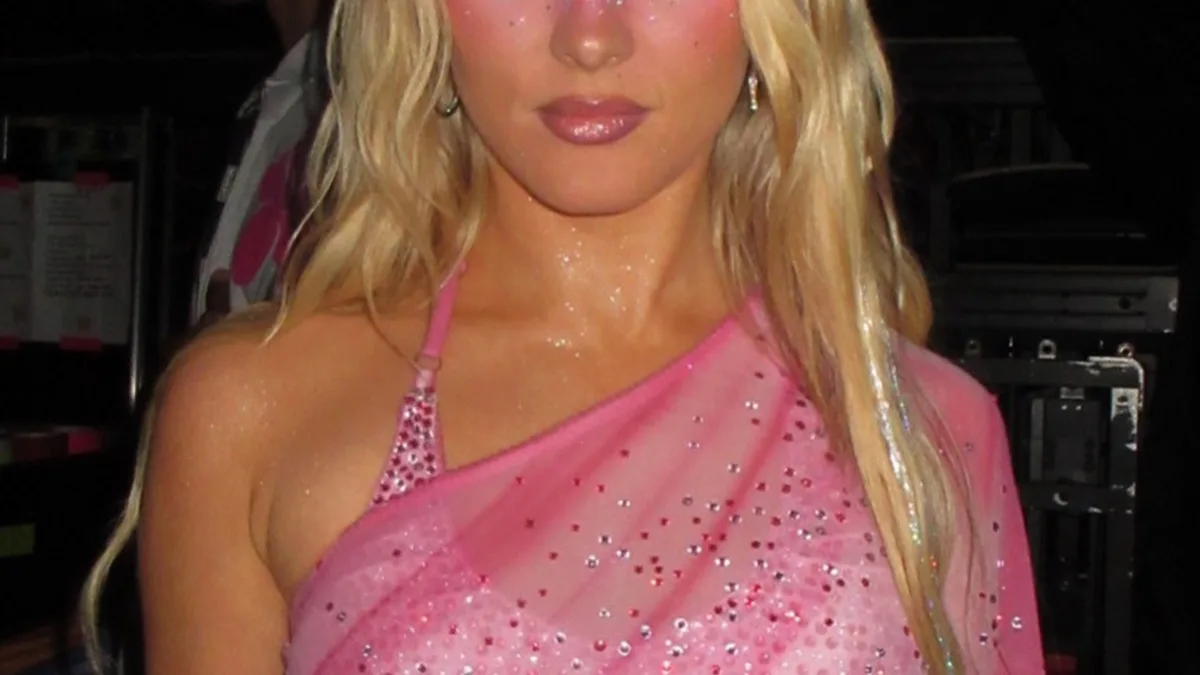
Zara
| Designer | Zara's in-house design team |
|---|---|
| Collection cycle | Multiple collections per year |
| Show schedule | Not applicable (no public runway shows) |
| Retail availability | Immediately following collection launch |
| Design ethos | Fast fashion |
| Product categories | Apparel, accessories, footwear, home decor |
| Market position | Mass-market retailer |
Origin and history
Zara is a Spanish fashion retailer founded in the 1970s. It was established in the city of A Coruña, in the Galicia region of Spain. The company is the flagship brand of the Inditex group, one of the world's largest fashion distributors. Its founding is credited to Amancio Ortega and Rosalía Mera, who opened the first store in 1975. The brand's business model revolutionized retail by developing a highly responsive supply chain. This allowed for rapid design, production, and distribution of new garments, a model often termed "fast fashion." From its Spanish origins, Zara expanded internationally beginning in the late 1980s and now operates thousands of stores globally.
What it is for
Zara functions as a fast-fashion retailer, providing affordable, on-trend clothing and accessories for men, women, and children. Its primary purpose is to quickly interpret and reproduce catwalk trends and street style for the mass market. The brand covers a comprehensive range of categories including formalwear, casualwear, outerwear, shoes, bags, and beauty products. It serves customers seeking current styles at accessible price points without a long-term investment in the garments. The rapid turnover of inventory, with new deliveries arriving in stores multiple times per week, is designed to encourage frequent visits and purchases. This model caters to the consumer desire for constant novelty and immediate gratification in fashion.
What to wear to Zara
There is no prescribed dress code for visiting a Zara store, as it is a retail environment. Customers typically wear their own clothing, which often reflects the casual, urban style synonymous with the brand itself. Comfortable shoes are advisable due to the often large store layouts requiring considerable walking. Practical attire that is easy to try on over, such as simple layers, can facilitate the shopping process. The in-store aesthetic is modern and minimalist, and customer attire generally aligns with contemporary fashion norms. Ultimately, personal style and comfort should guide the choice of outfit for a shopping trip.
Zara outfit ideas
A common outfit idea centers on building a smart-casual look using a Zara blazer paired with tailored trousers and a simple t-shirt. For a minimalist aesthetic, a monochromatic ensemble using a Zara knitwear piece and wide-leg trousers from their collection creates a cohesive outfit. The brand's denim offerings, such as a classic straight-leg jean, can serve as a foundation, combined with a patterned shirt or bodysuit. Outerwear like a tailored trench coat or a structured leather jacket can define an outfit and is a recurrent staple. For weekend wear, pairing Zara's loungewear-inspired pieces, like a sweatshirt and joggers, with sleek sneakers achieves a contemporary casual look. Accessories from Zara, including tote bags and statement jewelry, are frequently used to complete and elevate these assembled outfits.
Overview
Zara operates on a vertically integrated business model that controls most stages of its supply chain, from design to distribution. Its design process is centralized in Spain, with teams rapidly creating new products based on global trend information. The company produces over 20 distinct clothing collections per year, deliberately avoiding traditional seasonal cycles. Garments are manufactured in limited batches, which creates a sense of scarcity and urgency for consumers. Items move from design conception to store shelves in a matter of weeks, far faster than the industry standard. This operational structure allows Zara to maintain a high volume of stock turnover and respond almost in real-time to emerging trends.
What to know
Zara's sizing can be inconsistent between different garment styles and even within the same product category, so trying items on is strongly recommended. The quality of materials and construction is variable, often correlating with the garment's price point, with some items designed for only a few wears. While inspired by high-fashion trends, Zara's designs are original interpretations created by its in-house design team to avoid legal infringement. The brand has faced significant criticism for its environmental impact due to the resource-intensive nature of fast fashion and textile waste. Shopping its sales periods can yield substantial discounts, as unsold inventory is cleared to make way for new deliveries. Zara rarely collaborates with external designers or celebrities, unlike many of its competitors, relying instead on its internal creative process.
Common questions
A frequent question concerns Zara's return policy, which typically allows returns within a generous window, often 30 days, with the original tags attached and a proof of purchase. Customers often ask how to stay updated on new arrivals, which are not announced on a fixed schedule but are delivered to stores and online multiple times weekly. Many inquire about the difference between Zara's various sub-labels, such as TRF for younger trends versus the mainline collection for more classic pieces. Questions regarding the origin of manufacturing are common, with production taking place across various countries, primarily in Europe, North Africa, and Asia. Shoppers regularly ask how to best navigate the large store formats, with staff often advising to start in specific sections corresponding to the latest drops. Another common query is about the availability of specific items seen online, as stock levels vary significantly by store location and sell out quickly.
Pros and cons
A major advantage is the immediate accessibility of high-fashion aesthetics at a lower cost, allowing for trend participation without significant investment. The constant influx of new merchandise provides a reason for regular store visits and a continually refreshed selection. However, the primary con is the variable and often poor garment quality, with seams unraveling, fabrics pilling, or colors fading after minimal wear. Many customers regret purchases when they discover the item's material composition does not match its price or the item loses its shape after one wash. A common mistake is buying multiple items in one trend cycle, only to find the trend obsolete and the garments unwearable within a season. The business model actively encourages overconsumption and disposability, which is a significant ethical and environmental drawback.
Who it suits
Zara best suits fashion-forward consumers who prioritize staying current with trends above long-term wardrobe investment or garment longevity. It appeals to younger demographics, particularly students and young professionals, who have limited budgets but desire a stylish appearance. The brand also suits shoppers who enjoy the frequent novelty of new styles and the experiential "thrill of the hunt" in finding a trending piece. It is less suitable for individuals seeking classic, timeless investment pieces or those who prioritize natural, high-quality fabrics and meticulous construction. Consumers with strong ethical concerns about labor practices and environmental sustainability in the fashion industry often find the brand's model incompatible with their values. Those who require consistent sizing for reliable online shopping may become frustrated with the brand's fit inconsistencies.