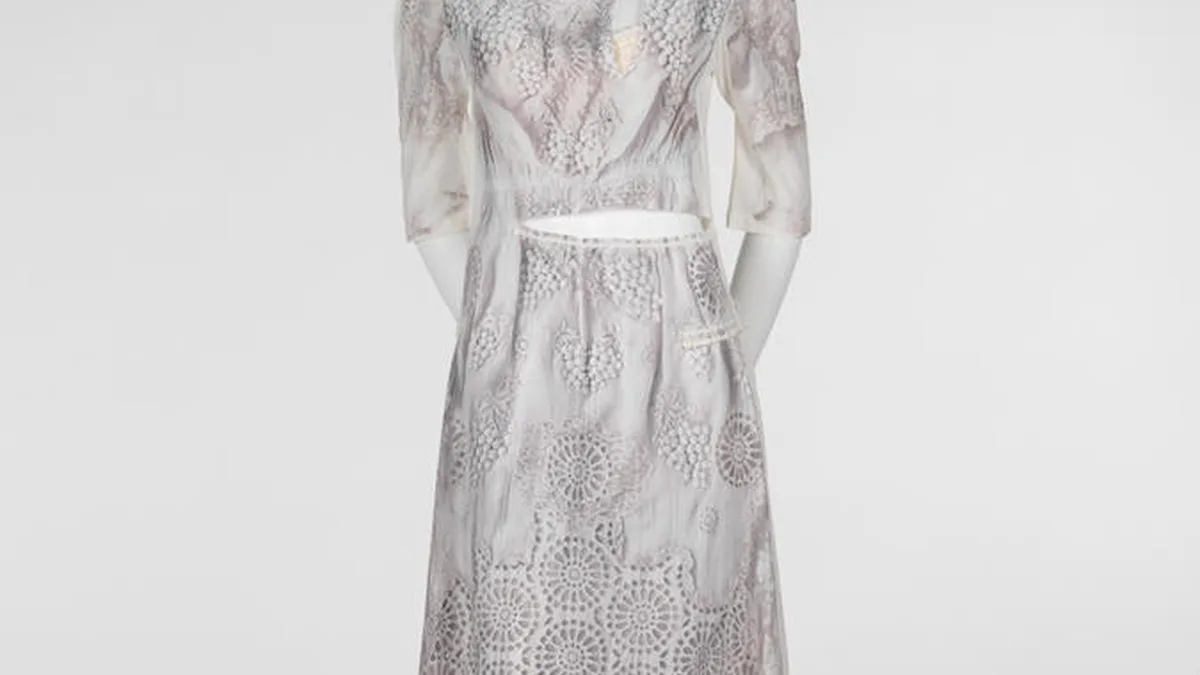
Rei Kawakubo
| Country of origin | Japan |
|---|---|
| First created | 1969 |
| Original use | Women's clothing |
| Designer | Rei Kawakubo |
| Label | Comme des Garçons |
| Known for | Avant-garde, deconstructed, and conceptual fashion |
| Shows | Biannual ready-to-wear collections (Spring/Summer, Autumn/Winter) |
| Retail | Sold through Comme des Garçons boutiques and select department stores |
Origin and history
Rei Kawakubo is a fashion designer originating from Tokyo, Japan. She founded her label, Comme des Garçons, in Tokyo in the late 1960s, with the first collection presented in 1975. The brand's name, meaning "like boys" in French, signaled a deliberate departure from the overtly feminine and decorative fashion of the era. Kawakubo's first Paris show in 1981 caused a significant controversy, with her distressed, monochromatic garments being derisively labeled "Hiroshima chic" by some critics for their deconstructed, anti-fashion aesthetic. This presentation fundamentally challenged Western ideals of beauty, silhouette, and luxury, establishing her as a central figure in the avant-garde movement. The company has since grown into a vast, privately-held fashion empire encompassing multiple lines, retail stores, and the influential Dover Street Market concept.
What it is for
Rei Kawakubo's work as a designer for Comme des Garçons is for creating clothing and accessories that serve as a form of artistic and intellectual expression, rather than merely following trends or flattering the body. Her collections are intended to provoke thought, challenge conventional definitions of beauty, and explore concepts such as the space between the body and the garment, imperfection, and the nature of fashion itself. The commercial lines, such as Comme des Garçons PLAY or Comme des Garçons SHIRT, offer more accessible entry points to the brand's aesthetic, often focusing on iconic logo items or wardrobe staples with a twist. The mainline collections, presented bi-annually on the Paris Fashion Week schedule, are the primary vehicle for her conceptual explorations, with only a curated selection of pieces from each collection reaching retail. These commercial pieces are distilled from the runway's extreme ideas into wearable, yet still distinctive, garments sold in Comme des Garçons boutiques and select global stockists. The entire enterprise functions to support and disseminate Kawakubo's singular vision, funding the continued production of challenging, non-commercial art through the sales of more commercial products.
Pros and cons
A significant pro of engaging with Rei Kawakubo's designs is the acquisition of a deeply intellectual and historically significant piece of fashion, valued for its conceptual rigor and artistic merit over transient style. The construction and fabric innovation are often exceptional, with garments designed to last and reveal their complexity over time. A major con is the demanding wearability; many iconic pieces are intentionally distorted, bulky, or made from unconventional materials that can be physically uncomfortable or impractical for daily life. Customers who prioritize conventional fit, comfort, or a traditionally flattering silhouette frequently regret their purchases, finding the garments impossible to integrate into a standard wardrobe. A common mistake is purchasing a dramatic runway piece without understanding the commitment required to wear it, leading to an expensive garment that remains unworn. Furthermore, the high price points, a result of complex construction and limited production, represent a significant investment for an item that may not align with mainstream tastes or provide versatility.
Who it suits
Rei Kawakubo's designs suit collectors, art patrons, and wearers who view clothing primarily as a medium for personal statement and conceptual engagement rather than as utilitarian covering. They are ideal for individuals with a strong, established personal style who are not interested in blending in and who possess the confidence to wear challenging, sculptural forms. The brand appeals to those with a deep knowledge of fashion history who appreciate being part of an ongoing dialogue about the boundaries of design. It suits patrons who value rarity and exclusivity, as many pieces are produced in extremely limited quantities and are not designed for mass appeal. The more accessible diffusion lines, like PLAY, suit a broader audience seeking association with the brand's avant-garde credibility through recognizable, logo-driven casualwear. Ultimately, the work suits those who are willing to subordinate the traditional purpose of clothing to the experience of wearing a piece of wearable art, accepting its potential inconveniences as part of its meaning.
Latest Rei Kawakubo news
Latest reporting
Yayoi Kusama's Fashion Legacy: From Orgies
A look at the late artist Yayoi Kusama's ventures into fashion, including her 1960s clothing company, her influence on designers like Rei Kawakubo...

Rei Kawakubo on Black, AI, and Advice
In a rare interview for Dazed's autumn 2026 issue, Comme des Garçons designer Rei Kawakubo discusses her A/W26 'Ultimately Black' collection, her