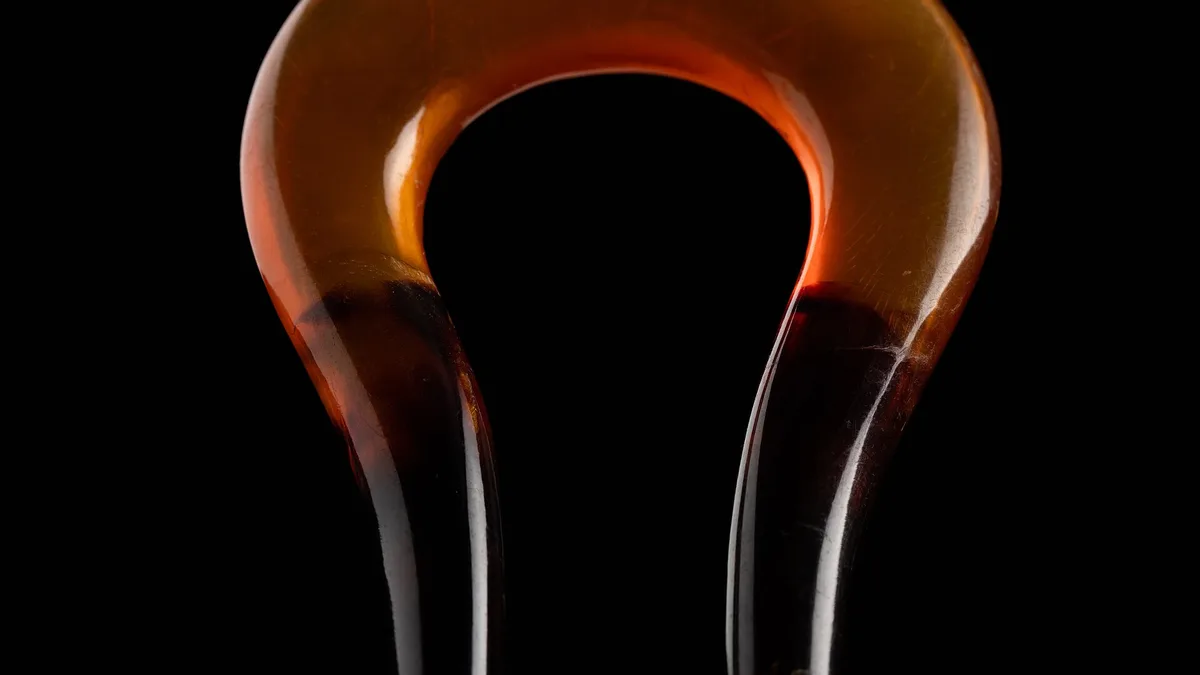
Hair Accessories And Headwear
| Collection | designed by |
|---|
Origin and history
Hair accessories and headwear as a combined category of personal adornment have origins spanning all global cultures and millennia. Archaeological evidence from ancient Egypt shows elaborate headdresses and hairpins crafted from precious metals and gemstones, dating from at least 3000 BCE. In Europe, structured headwear like veils, wimples, and hoods were ubiquitous throughout the Middle Ages, serving both modesty and social signaling. The 18th century saw highly ornate and powdered wigs become essential fashion items for European aristocracy, while hair combs and pins remained daily necessities across Asia. The Victorian era popularized decorative hairnets, ornate bonnets, and the use of jet mourning jewelry in hair. The 20th century brought mass production, making items like bobby pins, plastic barrettes, and headbands widely accessible, with fashion trends shifting dramatically each decade.
What it is for
Hair accessories function primarily to secure hair in a desired style, from simple functional pins to elaborate clasps for updos. Headwear serves to cover the head for reasons of warmth, sun protection, religious observance, or as a mandatory uniform component. A secondary, equally important purpose is decorative, allowing for personal expression, embellishment of an outfit, or the completion of a traditional or ceremonial costume. Specific items like tiaras, crowns, and bridal veils hold significant cultural and symbolic value in rites of passage such as weddings, coronations, and coming-of-age ceremonies. In many professions, standardized headwear like nurses' caps, military hats, or chef's toques denotes role, rank, or hygiene standards. The category also encompasses medical and therapeutic items, such as post-surgery head coverings or cooling caps used during chemotherapy.
Pros and cons
They offer a low-commitment, affordable method to refresh an outfit or express individual style without altering one's haircut or color. The cons include the frequent loss or breakage of small, inexpensive items like bobby pins and elastics, which are rarely durable. Poorly designed or overly tight accessories can cause hair breakage, traction alopecia, or headaches from constant pressure. Many individuals regret choosing fashion-forward pieces that are uncomfortable, difficult to secure, or that clash with their hair texture, leaving them unused. A common mistake is selecting an item based solely on appearance without considering its functional grip or weight, leading to a style that fails to hold.
Who it suits
Simple, functional items like plain elastic bands, basic clips, and bobby pins suit nearly everyone for daily, practical use regardless of personal style. Elaborate or decorative pieces like beaded headbands, statement barrettes, or embellished pins suit individuals seeking to make a bold fashion accent or those attending formal events. Traditional cultural or religious headwear, such as turbans, hijabs, or kippahs, suit members of those communities for whom the items are integral to identity and practice. Athletes and individuals with active lifestyles benefit from performance-oriented accessories made from soft, flexible, and sweat-wicking materials designed to stay secure during movement. People with fine or thin hair often require lighter, finer-toothed grips and avoid heavy pieces that can slip or weigh hair down, while those with thick, curly textures may need stronger, wider clips and durable, stretchable bands.
Latest Hair Accessories And Headwear news
Latest reporting
Starbucks Japan and BEAMS Launch CORE Denim Collection
Starbucks Japan and BEAMS have released their CORE Collection, a gender-neutral lineup featuring a black denim capsule and coffee-themed accessories.
Carlos Sainz's TEAM FIFTY5 Launches New Era Collection
Formula 1 driver Carlos Sainz and New Era have launched the debut TEAM FIFTY5 headwear and apparel collection for Fall/Holiday 2026.
sacai TOGO Pop-Up Opens at Le Bon Marché
sacai's 'sacai TO GO' pop-up has launched at Le Bon Marché Rive Gauche in Paris, featuring exclusive apparel, accessories, and a rotating weekend food
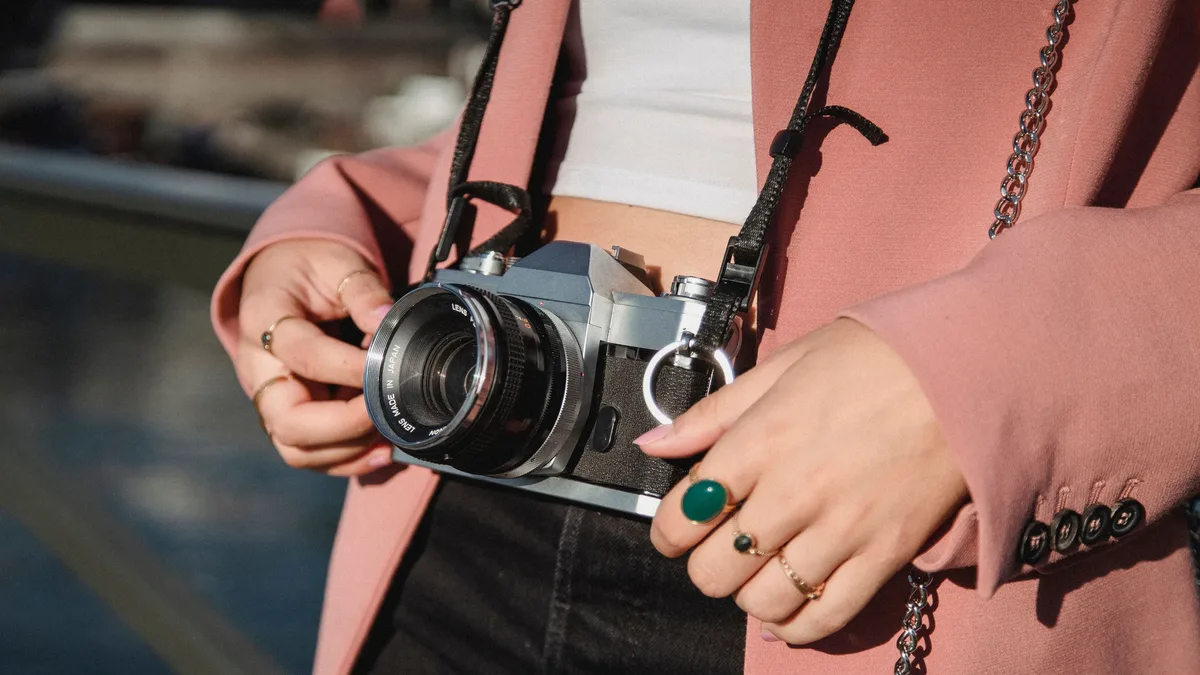
Adidas Originals Brings Football Style to Pets with New FC Pets Collection
Adidas Originals has launched its 2026-27 FC Collection for Pets, featuring miniature football jerseys and accessories for dogs and cats.
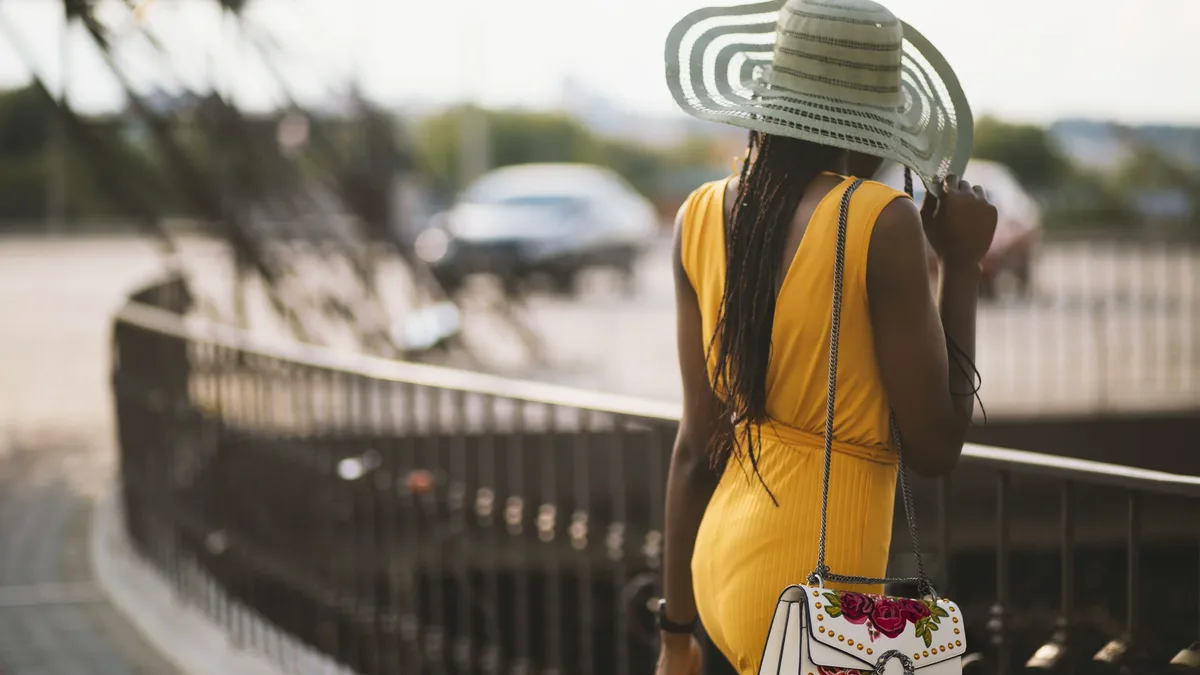
POST ARCHIVE FACTION and HIDDEN NY Unveil Collaborative HIDDEN Souvenir Capsule
The inaugural partnership introduces three graphic t-shirts alongside a headwear silhouette accented with hand-sewn amazonite beads.
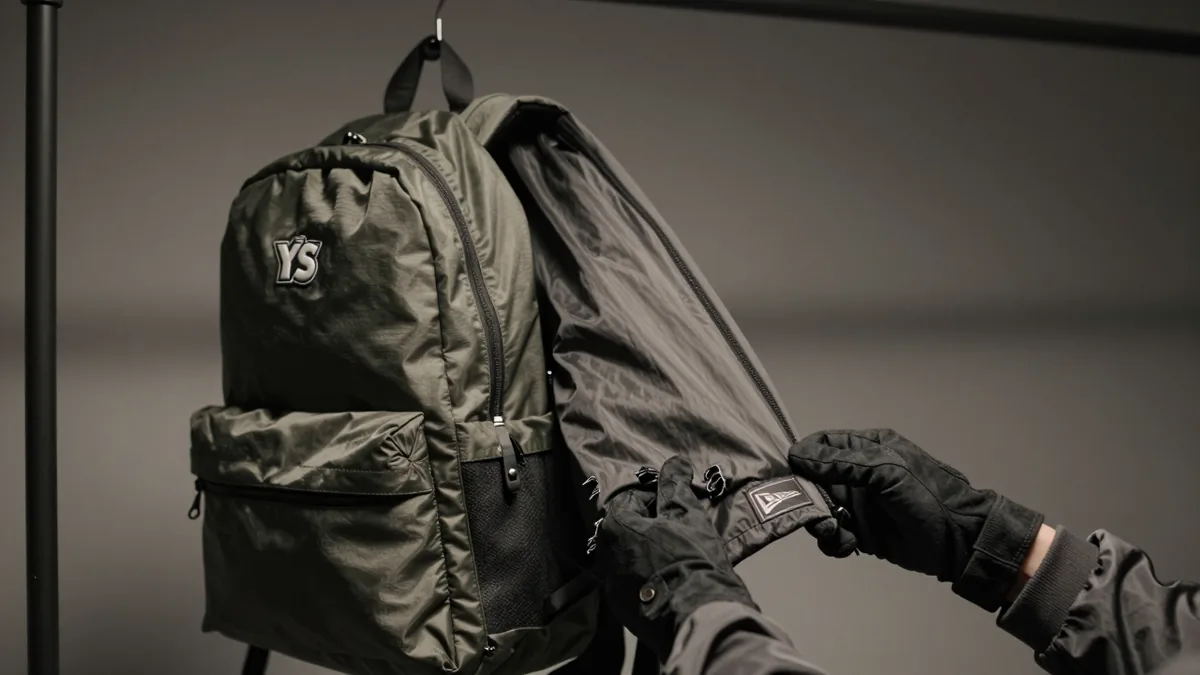
Y's and New Era Reconnect for a FW26 Capsule Collection
Y's and New Era have teamed up for a new capsule collection, featuring matching nylon outerwear sets, distressed headwear, and daily travel bags.