Thai And Vietnamese Designers
| Designer(s) | Varies by collection |
|---|---|
| Collection season | Varies by show schedule |
| Retail availability | Selected pieces |
| Design origin | Thailand and Vietnam |
| Primary product categories | Apparel and accessories |
| Typical style influences | Modern interpretations of traditional craft |
Origin and history
The term "Thai And Vietnamese Designers" refers to a collective focus on fashion designers originating from Thailand and Vietnam, gaining significant international recognition from the late 20th century onwards. While individual design houses have their own founding dates, the broader movement of contemporary Southeast Asian design prominence is a phenomenon of the last few decades. This recognition was catalyzed by regional economic growth, increased global travel, and the establishment of fashion weeks in Bangkok and Ho Chi Minh City. Thai designers like Sretsis and Vickteerut gained notice in the 2000s, while Vietnamese designers such as Cong Tri and Li Lam emerged strongly in the 2010s. The history is rooted in each country's distinct textile heritage, including Thai silk and Vietnamese áo dài tailoring, which modern designers reinterpret. This regional design identity continues to evolve without a single unified launch point, representing an ongoing cultural and creative export.
What it is for
This category of design serves to present high-quality, contemporary fashion that integrates Southeast Asian aesthetic sensibilities and craftsmanship into a global wardrobe. Collections are created for retail sale to consumers seeking unique garments that often feature intricate detailing, bold prints, and sophisticated silhouettes. The shows, typically presented at regional fashion weeks or international trunk shows, function to build brand prestige, attract buyers, and generate editorial coverage. For the designers, it is a commercial enterprise and a platform for cultural expression, moving beyond traditional costume into ready-to-wear and luxury markets. The items that reach shops are the produced, seasonal collections intended for direct purchase by the end customer. Ultimately, these designs exist to provide an alternative to dominant Western fashion narratives, offering clothing that reflects a specific blend of heritage and modernity.
What to wear to Thai And Vietnamese Designers
Attending a show or event featuring Thai and Vietnamese designers calls for attire that respects the creative effort and formal nature of a fashion presentation. Opt for smart, contemporary clothing that demonstrates an understanding of style, such as a well-tailored blazer, a structured dress, or elegant separates. You may choose to wear a piece from a Southeast Asian designer yourself, as it shows support and engagement with the regional industry. Footwear should be polished, from designer sneakers to heels or loafers, avoiding overly casual beachwear or athletic gear. Accessories should be considered and intentional, as details are often appreciated in this context. The overall aim is to look put-together and fashion-aware, aligning with the sophisticated and artistic environment of a designer showcase.
Thai And Vietnamese Designers outfit ideas
An outfit centered on a piece by a Thai designer might pair Sretsis's signature romantic, printed blouse with crisp, modern white trousers and minimalist sandals to balance the femininity. For Vietnamese design, a structured linen jacket from a label like Gia Studios could be worn over a simple tank top and wide-leg trousers for a clean, architectural look. Incorporate a statement accessory, such as a handwoven bag from a Thai artisan collaborator, to add textural interest to a monochrome ensemble. A contemporary take on the áo dài top, perhaps from designer Cong Tri, can be layered over silk pants or even tailored jeans for a fusion approach. For evening, a dramatic silk skirt with traditional Vietnamese motifs from a brand like Li Lam can be paired with a simple black cashmere sweater. Consider mixing a vibrant, Thai-inspired print skirt with a solid-color, minimalist top to let the craftsmanship of the garment be the focal point.
Overview
Thai and Vietnamese designers represent a significant and growing segment of the global fashion industry, known for blending deep cultural heritage with contemporary design principles. Their collections are characterized by a high level of artistry, often featuring hand embroidery, custom-developed prints, innovative silhouettes, and luxurious natural fabrics like silk and linen. These designers typically show their seasonal collections on runways in their home cities, as well as in key international markets to attract buyers and press. The items that subsequently reach boutiques and concept shops are the produced ready-to-wear pieces from these collections, available for consumer purchase. The work distinguishes itself through a narrative often tied to place and craft, offering an alternative to mass-produced fast fashion. This movement has established a recognizable aesthetic that is both locally rooted and globally appealing, expanding the definition of luxury fashion.
What to know
The production scale for many Thai and Vietnamese designers is often smaller and more artisanal than large European houses, which can affect availability and lead times. Purchasing directly from boutiques in Bangkok or Ho Chi Minh City may provide access to a wider range of pieces than international stockists, which often curate a limited selection. Understanding fabric care is crucial, as many garments utilize delicate hand-woven silks or specialty fabrics that require dry cleaning or specific hand-washing techniques. The sizing can differ from Western standard sizing, often running smaller, so consulting specific brand size charts or trying on is highly advisable. Price points are positioned in the contemporary luxury to high-luxury segment, reflecting the material quality and labor-intensive techniques involved. These designers are not a monolith; there is vast diversity, from avant-garde conceptual designers to those focused on wearable luxury, requiring research into individual brand identities.
Common questions
A common question is whether these designers only make traditional clothing like the áo dài, to which the answer is no, as most create full ready-to-wear collections for modern lifestyles. People often ask where to buy these designs outside of Southeast Asia, with answers including multi-brand online retailers, international trunk shows, and select high-end department stores in major cities. Many inquire about the difference between Thai and Vietnamese design aesthetics, noting Thai design can be more whimsical and print-driven, while Vietnamese design often emphasizes minimalist structure and fabric innovation, though these are generalizations. Questions about price justification frequently arise, addressed by explaining the handwork, small-batch production, and quality of materials used. Prospective buyers ask about garment care, necessitating clear instructions on preserving delicate fabrics and embellishments. Another frequent inquiry concerns the best way to discover new designers from the region, typically pointing to following regional fashion week coverage and specialized fashion publications.
Pros and cons
A significant pro is the unique design perspective and artistry offered, providing wearers with distinctive garments not found in mainstream Western brands. The quality of materials and construction is often exceptionally high, with a focus on natural fabrics and meticulous finishing details. A notable con is the limited accessibility and inventory, as small production runs can mean items sell out quickly and are difficult to source outside key markets. The pricing, while reflective of quality, places these garments at a luxury investment level, which can be a barrier for many potential customers. Some wearers regret purchases when they underestimate the specialized care requirements, leading to damaged fabrics from improper cleaning. A common mistake is buying for the novelty or print without considering how the silhouette integrates into one's existing wardrobe, resulting in a beautiful but rarely worn item.
Who it suits
This style of clothing particularly suits individuals who value unique design narratives, artisanal quality, and are willing to invest in statement pieces for their wardrobe. It appeals to consumers who have an interest in global fashion perspectives and seek to move beyond dominant European and American luxury labels. The clothing often suits those who appreciate bold prints, intricate textures, and sculptural silhouettes, and who enjoy engaging with the story behind their garments. It is well-suited to people living in or accustomed to warmer climates, given the prevalent use of lightweight silks, linens, and cottons. The sizing and fits often flatter slender to average body types, though some designers offer more inclusive ranges or custom tailoring services. Ultimately, it suits the confident wearer who views clothing as a form of personal and cultural expression rather than merely utilitarian.
Latest Thai And Vietnamese Designers news
Latest reporting
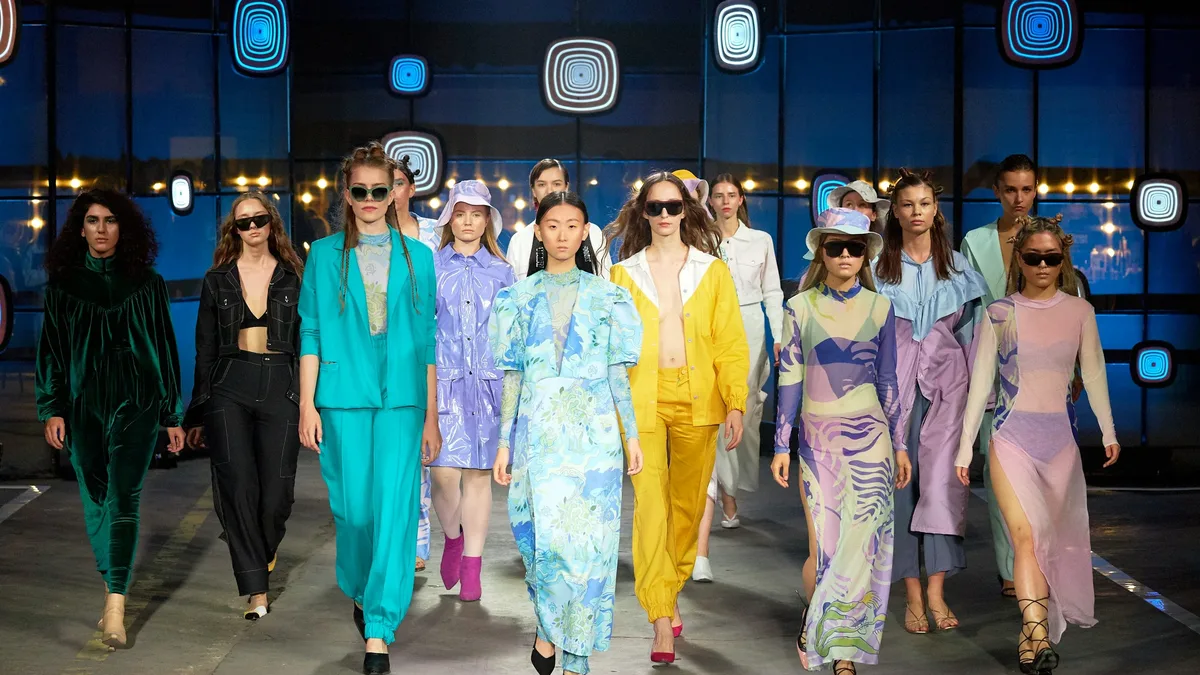
Emerging Designers To Watch at London Fashion Week SS27
London Fashion Week's SS27 schedule spotlights eight emerging designers, including NEWGEN recipients Liza Keane and Francesca Lake, alongside talents...
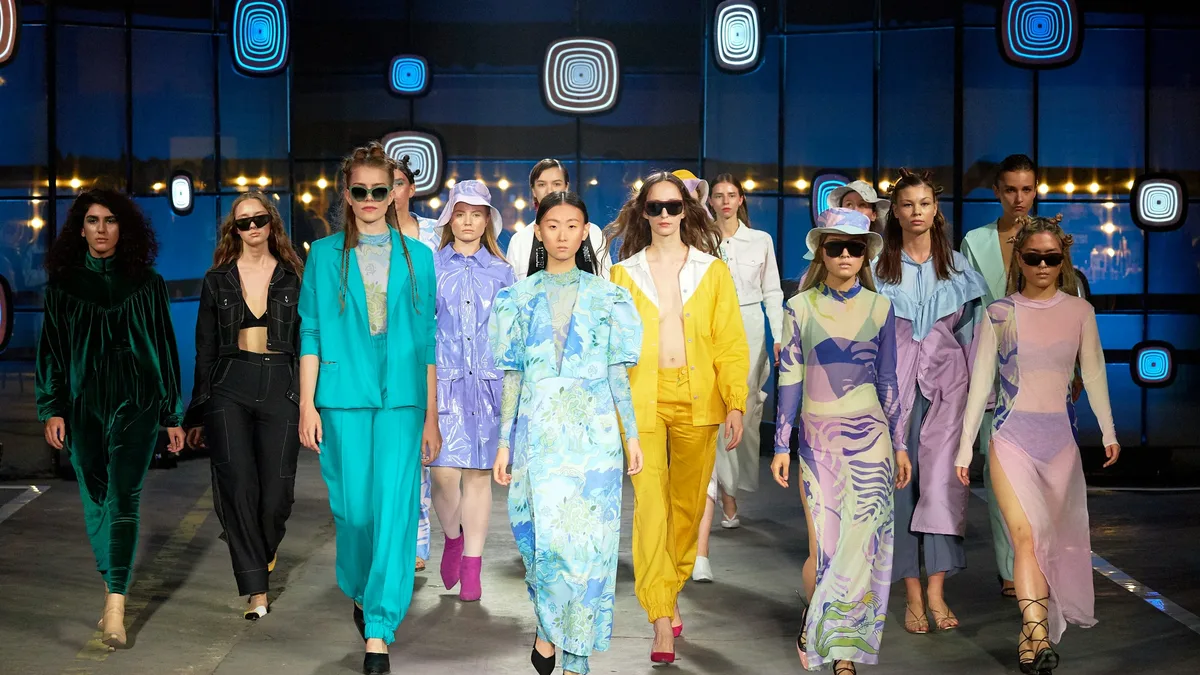
Fashion Asia Hong Kong's 10 Designers to Watch Debut Runway
Fashion Asia Hong Kong marked its 10th anniversary by staging its first-ever runway show for its 10 Asian Designers To Watch program on September 3.
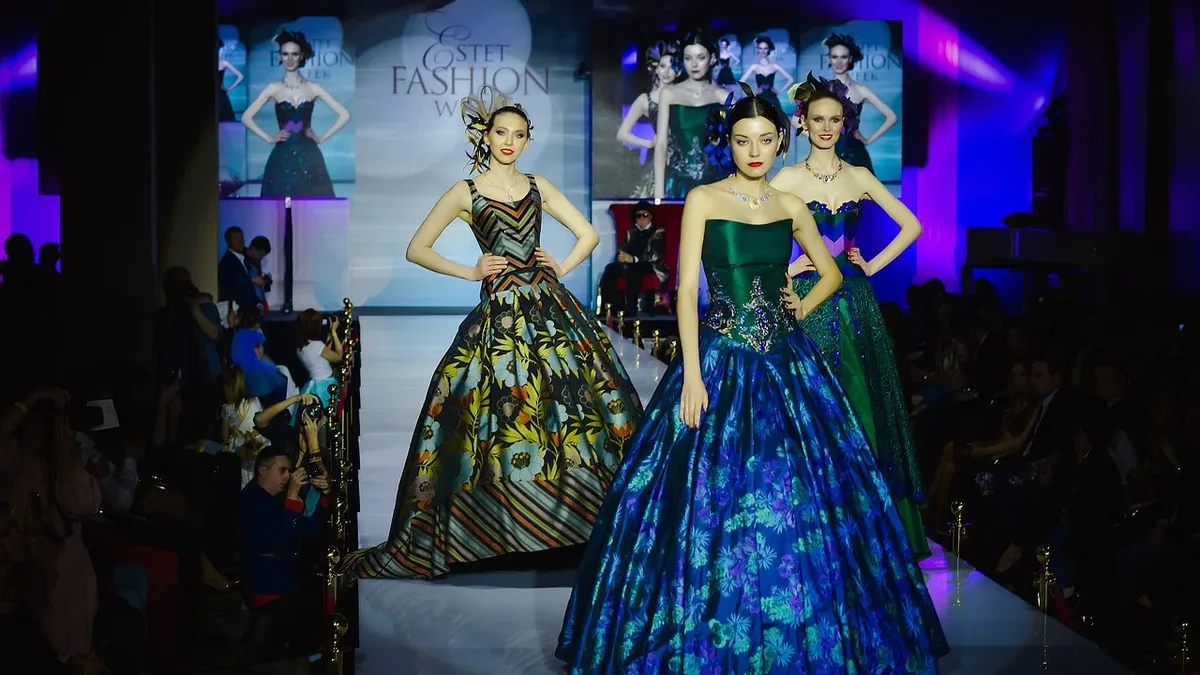
Hong Kong Fashion Fest Opens with VIRTUOSE Couture Show
The Hong Kong Fashion Designers Association launched the third Hong Kong Fashion Fest with VIRTUOSE: The Artistry of Couture 2026.
Yayoi Kusama's Fashion Legacy: From Orgies
A look at the late artist Yayoi Kusama's ventures into fashion, including her 1960s clothing company, her influence on designers like Rei Kawakubo...