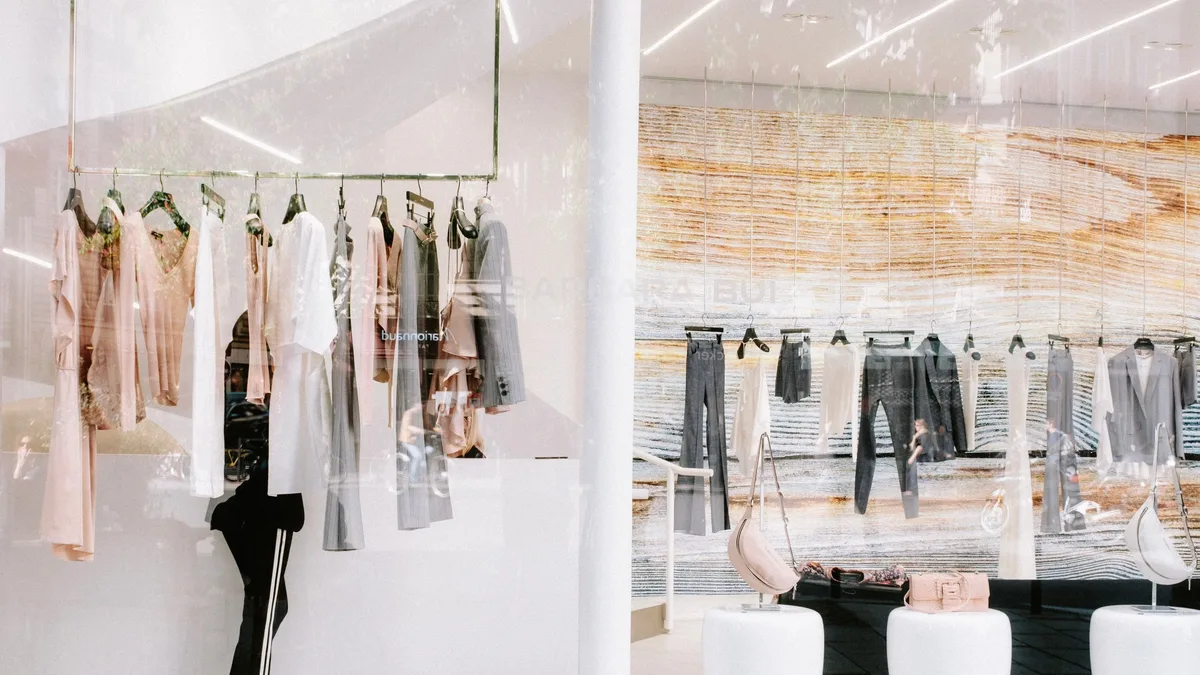
Fashion Asia Hong Kong's 10 Designers to Watch Debut Runway
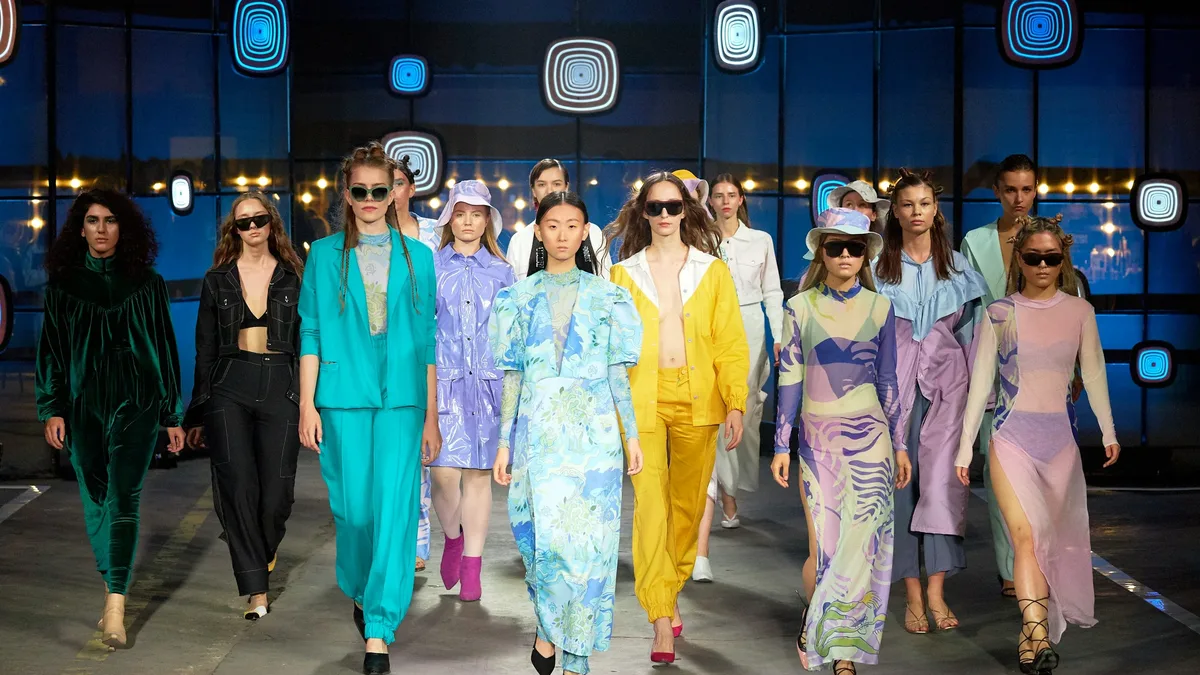
Fashion Asia Hong Kong marked its 10th anniversary by staging its first-ever runway show for its 10 Asian Designers To Watch program on September 3.
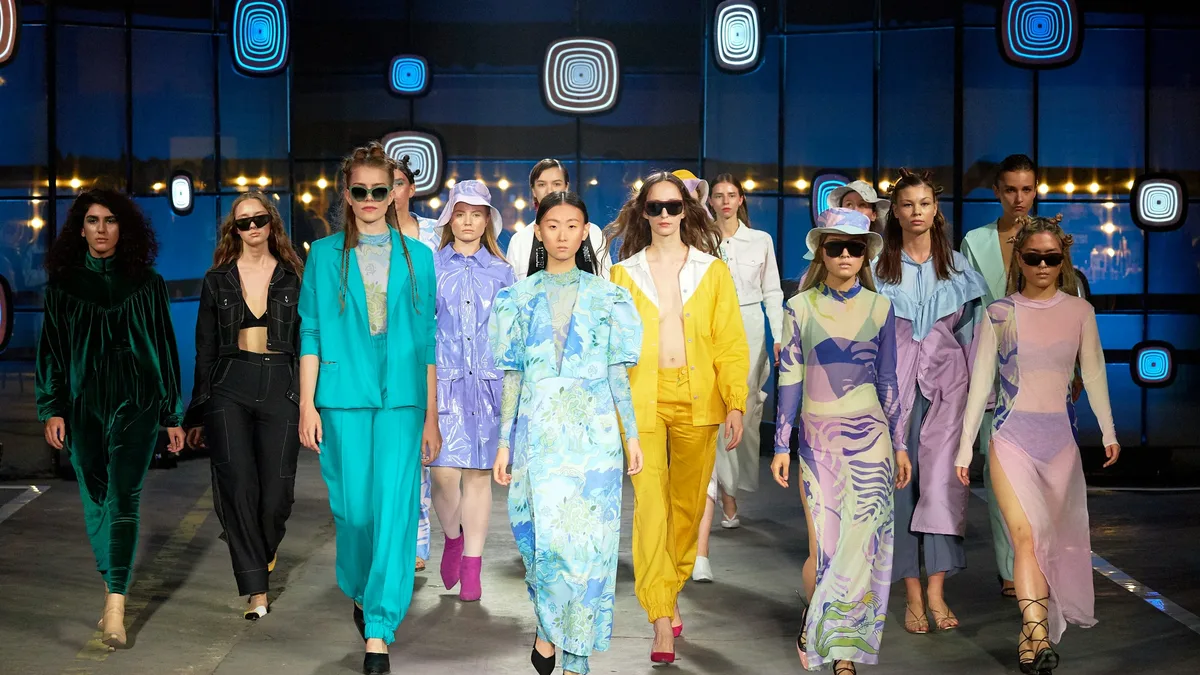
Fashion Asia Hong Kong launched its inaugural 10 Asian Designers To Watch Fashion Show and Award Presentation Ceremony on September 3. The event, part of the Hong Kong Fashion Fest Gala, featured a concurrent exhibition at Peak Galleria running through September 13, with MEOVV's Gawon appearing as a special guest in looks from winning labels DISAYA and LEJE.
Hypebeast spoke with all ten designers from the Chinese Mainland, Hong Kong, Thailand, South Korea, and the Philippines. Their conversations revealed distinct approaches to craft, cultural translation, and commercial survival.
Creative Foundations and Cultural Perspectives
Designers emphasized starting points far removed from fleeting trends. Sifan Chen from the Chinese Mainland draws from personal travel and reading, closely observing Shanghai street style which he says "reflects the mood of the whole society." He champions material innovation, exemplified by a hand-woven jacket made from cashmere and linen on old Guizhou looms.
For Thailand's Disaya Sorakraikitikul of DISAYA, the process begins with a craft technique. She seeks new applications for it across silhouettes, arguing that translating culture is "less about directly reproducing traditional motif" and more about capturing the emotion behind the making. Her crystal macramé jeans, a bestseller, feature hand-knitted macramé fixed piece-by-piece onto denim.
The South Korean duo behind LEJE, Yangmo Je and Juhyeong Kang, describe themselves as "habitual collectors of intriguing elements." They use tradition as a starting point, pushing heritage crafts like mother-of-pearl inlay through modern silhouettes. Their exhibition centerpiece was a hand-beaded Daenggi Dress reinterpreting a traditional hair ribbon.
Handle Commerce and Craft
The tension between artistic vision and business viability was a common theme. Hong Kong's Kinyan Lam was blunt about priorities. "The first thing a brand must consider is whether you can sustain the business," he said, explaining his focus on cash flow and daily wear over experimental pieces.
DISAYA's Sorakraikitikul acknowledged the challenge of balancing the artistic and commercial. LEJE's designers called striking a harmony between "artistic originality and commercial practicality" essential. For the Philippine brand Maligaya, founder Roko Arceo said maintaining a sustainability-centered brand is one of the hardest tasks a designer faces.
Design Philosophies on Gender and Form
A fluid approach to gender and wearability defined many collections. DISAYA dissolves gender in the cloth itself, pairing embroidery and lace with structured tailoring to create pieces that are "delicate yet powerful, sensual yet structure."
Maligaya's Arceo handles gender through sizing, offering shirts from XS to XL so women can wear men's pieces, and incorporating lace into menswear. Prince Padilla of NOVEL, coming from a menswear background, sees unisex design as a default. "A garment is usually, it is really just a garment," he shrugged.
The Chinese menswear team NULLUS takes a structural approach, softening the aggression in menswear by relaxing shoulders and easing waistlines. For their showed collections, they focused on a fundamental rethink of the pocket.
Several designers cited formative mentors. DISAYA's Sorakraikitikul named Louise Wilson of Central Saint Martins as her "greatest intellectual mentor." Sifan Chen recalled advice from his MA course leader Fabio Piras: "I need to trust my simplicity." Maligaya's Arceo gave a shout-out to his associates Athena, Ashanti, and Dale.
Looking ahead five years, aspirations varied from commercial stability to cultural impact. Sifan Chen hopes to show "a more diverse Asian culture, rather than the fantasy of Asia or the East seen under a Western system." DISAYA aims to be seen not only as a Thai brand, but as one with a distinct global perspective. LEJE simply hopes to be known for articulating Korean heritage in their own voice.