Karoline Vitto on Fashion's Body Diversity Rollback
Designer Karoline Vitto says the fashion industry has retreated from its 2020 body positivity peak, citing a 2023 shift towards thinner models and a
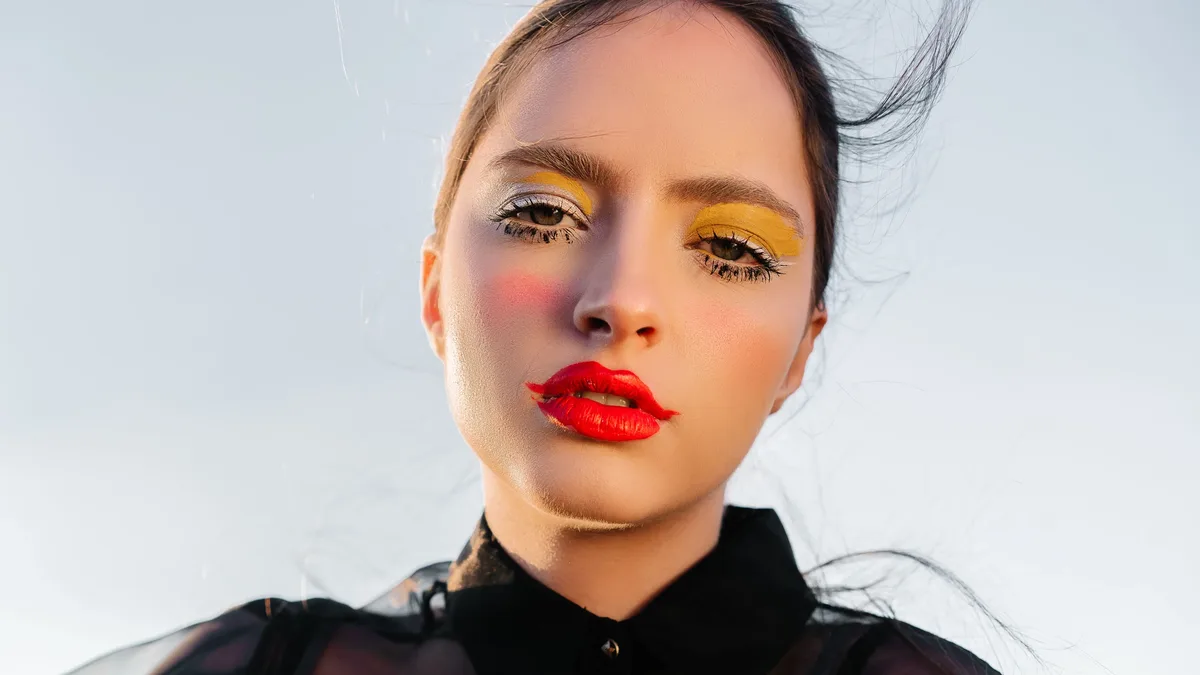
Karoline Vitto, the Brazilian-born, London-based designer known for sculptural, size-inclusive womenswear, says the fashion industry's commitment to body diversity has regressed. In an interview for The Body Issue with Hypebae, Vitto describes a shift she observed beginning in February 2023, when models across the industry began losing significant weight, a change she links to the early days of GLP-1 weight-loss medications.
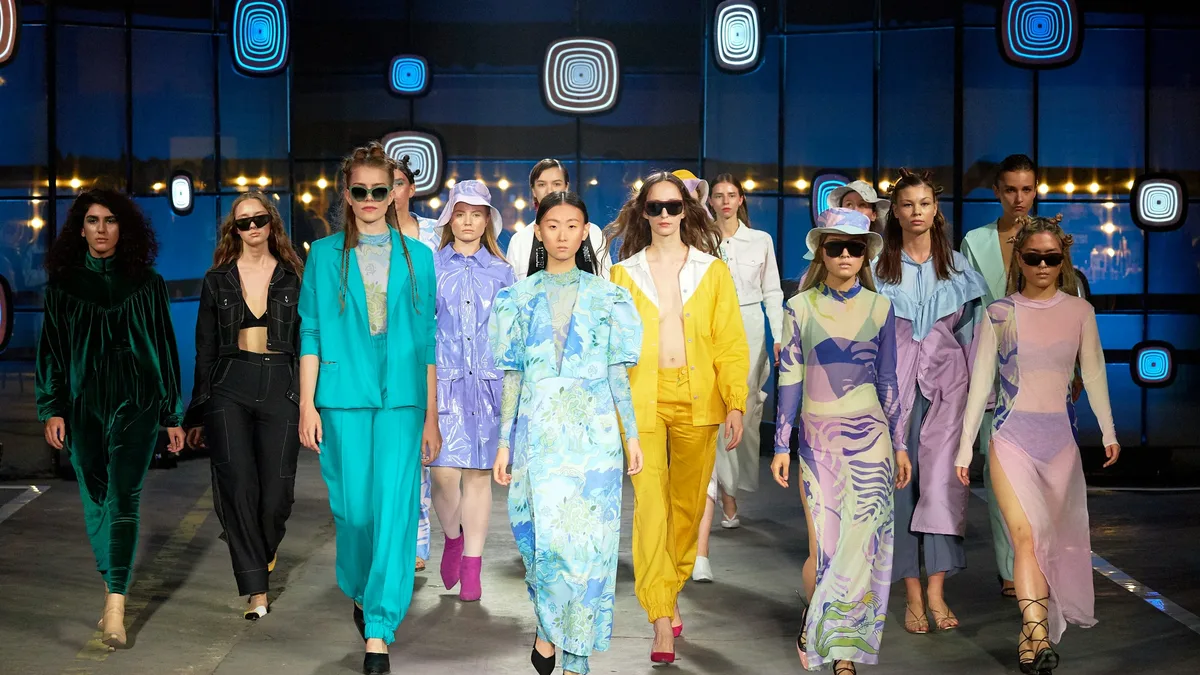
Vitto founded her label in 2019, near what she calls the "golden days of body positivity." She recalls a landscape where brands like Parade and Sinéad O'Dwyer were showcasing diverse models in campaigns and on runways. That atmosphere, she says, felt genuinely positive. The subsequent turn has been stark. "It just progressively got worse," Vitto states. It became very established that a lot of people in the industry were taking it, but it was still very hush-hush; no one was talking about it.
Commercial Realities Force Size Range Shift
The changing aesthetic has directly impacted Vitto's business operations. She emphasizes that her brand must remain commercially viable and respond to what customers are actually buying. This commercial pressure has led to a contraction in her ready-to-wear size offering.
Vitto's brand previously offered a range extending up to UK size 28. She has now ceased production and stocking of the largest sizes in that standard range. I stopped producing them because I simply can't afford the cost of up-fronting and holding that stock anymore, without a clear path to sell-through, she explains. The brand continues to offer any size through its made-to-order service. Concurrently, demand has increased for smaller sizes, necessitating an adjustment to the brand's grading process.
The Politics of the 'Tradwife' Silhouette
Vitto attributes the broader cultural shift to a move towards the extreme right wing and the rise of a "tradwife aesthetic in politics and culture. This resurgence, she argues, revives late '90s and early 2000s silhouettes that were originally worn by thin public figures. If you're skinny and don't have much of a bust, that silhouette is perfect for you," Vitto notes. But if you're curvy, how are you supposed to wear that?
She also questions the industry's renewed preference for very small busts, often presented braless on runways. I look at that and think, what's the real message here? Vitto asks, pointing out that such a body type is often associated with youth.
Where Hope for Change Resides
Looking forward, Vitto is skeptical that meaningful change will originate from major fashion houses or traditional runway shows. She identifies the economic structure of shows as a primary barrier to inclusivity. People need shows for brand visibility, but they need to do them in a way that doesn't break the budget, she says. And the most cost-effective, manageable way to do a show is to have everything cut in the same size.
Instead, she finds hope in everyday creators on platforms like TikTok, who normalize diverse bodies simply by being themselves in cool outfits. She also believes genuine, lasting change is more likely to come from smaller, founder-led brands or the couture sector, where bespoke creation is inherent. When you look at the brands that do it, the founders are all people who genuinely care, Vitto concludes. It is, she insists, a group effort that won't happen overnight on the major runways of Paris.